
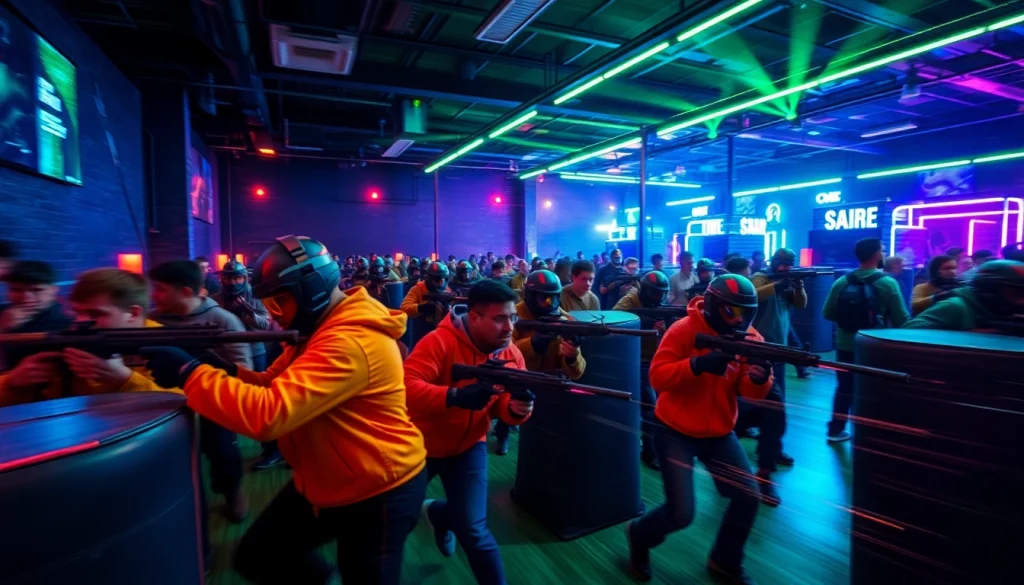
1. Introduction to Laser tag
Laser tag has evolved into a thrilling recreational activity that combines strategy, teamwork, and adrenaline. Participants immerse themselves in elaborate arenas, equipped with laser guns that emit infrared beams, vying to outmaneuver and “tag” opponents. This game, which is both fun and strategic, has provided countless hours of entertainment for friends, families, and corporate teams alike. If you’re looking for a unique and engaging way to enjoy group outings, Laser tag is a compelling option worth exploring.
1.1 What is Laser tag?
Laser tag is a recreational shooting sport where participants use infrared-emitting light guns and wear sensors to track hits. The objective is straightforward: accumulate points by tagging opponents while evading being tagged yourself. The game blends physical activity with mental agility, making it a unique choice for various age groups and skill levels.
1.2 History and Evolution of Laser tag
The roots of laser tag can be traced back to the 1970s, influenced heavily by the popularity of science fiction and arcade games of the era. The first commercial laser tag game was developed in the early 1980s by George Carter III. He created Photon, an indoor arena game that gained massive popularity. As technology advanced, so did laser tag equipment and game mechanics, transforming into a multifaceted experience enjoyed worldwide today.
1.3 Popularity and Its Impact on Social Activities
Laser tag has surged in popularity, becoming a staple for birthday parties, corporate team-building exercises, and family outings. Its inclusive nature allows people of various ages to participate, fostering camaraderie and teamwork. The social aspect of the game enhances its appeal, as players develop communication skills and build connections through shared experiences.
2. The Mechanics of Laser tag
2.1 Equipment Overview: Guns and Gear
The core equipment for laser tag includes the laser tag guns and body sensors. The guns are lightweight and equipped with various features like sound effects, lights, and sometimes haptic feedback. Body sensors, typically worn on vests, register hits and help track player performance. Modern establishments often offer advanced equipment with customizable settings, enhancing the gaming experience.
2.2 Game Modes: Variations and Objectives
Laser tag can be played in numerous game modes, each with distinct objectives. Typical game modes include:
- Team Deathmatch: Players are divided into two or more teams, aiming to tag as many opponents as possible.
- Capture the Flag: Teams try to capture the opposing team’s flag while defending their own.
- Free-for-All: Every player for themselves, with no teams involved.
- King of the Hill: Players aim to hold a designated area for as long as possible.
2.3 Safety Measures and Guidelines
Safety is paramount in laser tag, and most venues implement several measures to ensure a secure environment. These include:
- Mandatory safety briefings before gameplay.
- Age and height restrictions to ensure equipment fits securely.
- Clear guidelines on gameplay conduct to minimize risks.
3. Benefits of Playing Laser tag
3.1 Team Building and Communication Skills
One of the primary advantages of laser tag lies in its capacity to enhance team-building and communication skills. Players must work together to strategize and achieve common goals. This collaborative approach fosters relationships and enhances productivity in workplace settings, proving beneficial for corporate events.
3.2 Physical Fitness and Health Benefits
Laser tag is an excellent way to combine fun with physical activity. It encourages players to run, dodge, and hide, providing a cardiovascular workout that promotes fitness. Regular participation can lead to improved coordination, stamina, and overall health without the pressure of traditional exercise environments.
3.3 Enhancing Strategic Thinking and Problem Solving
The fast-paced environment of laser tag requires players to think on their feet and adapt strategies in real-time. This enhances critical thinking skills and problem-solving abilities, invaluable traits that extend beyond the game itself, especially in academic and professional settings.
4. Organizing a Laser tag Event
4.1 Planning the Event: Venue and Logistics
Organizing a successful laser tag event requires careful planning. Key factors to consider include selecting an appropriate venue, understanding the logistics of crowd management, and ensuring the necessary equipment is available. A well-organized venue will have designated areas for different game modes and a clear layout that maximizes player engagement.
4.2 Tips for a Successful Match Experience
To maximize the enjoyment of a laser tag event, consider the following tips:
- Understand the rules before playing.
- Encourage players to wear comfortable clothing and shoes.
- Schedule breaks to maintain energy levels and regroup strategies.
4.3 Post-Event Activities and Feedback
After the event, gathering feedback from participants can provide valuable insights into improving future experiences. Organizers might consider offering refreshments, sharing game highlights, or even facilitating discussions on strategies used during gameplay. This not only creates a sense of community but also ensures players feel valued.
5. Frequently Asked Questions about Laser tag
5.1 What age is suitable for Laser tag?
Laser tag is generally recommended for ages 8 and up, but individual venues may have specific requirements based on their equipment and game environments.
5.2 How much does Laser tag cost?
Pricing can vary based on the venue and number of games played. Typically, expect costs ranging from $7 to $35 per person, depending on game length and package offers.
5.3 Can Laser tag be played outdoors?
Yes, many venues offer outdoor laser tag experiences, allowing players to engage in tactical gameplay with natural obstacles and varying terrains.
5.4 How many players are needed for a Laser tag game?
While players can enjoy laser tag solo, most games are best experienced with a minimum of six to eight players to create dynamic and competitive gameplay.
5.5 What should players wear during Laser tag?
Participants should wear comfortable, loose-fitting clothing and closed-toe shoes to facilitate movement and agility during gameplay.