

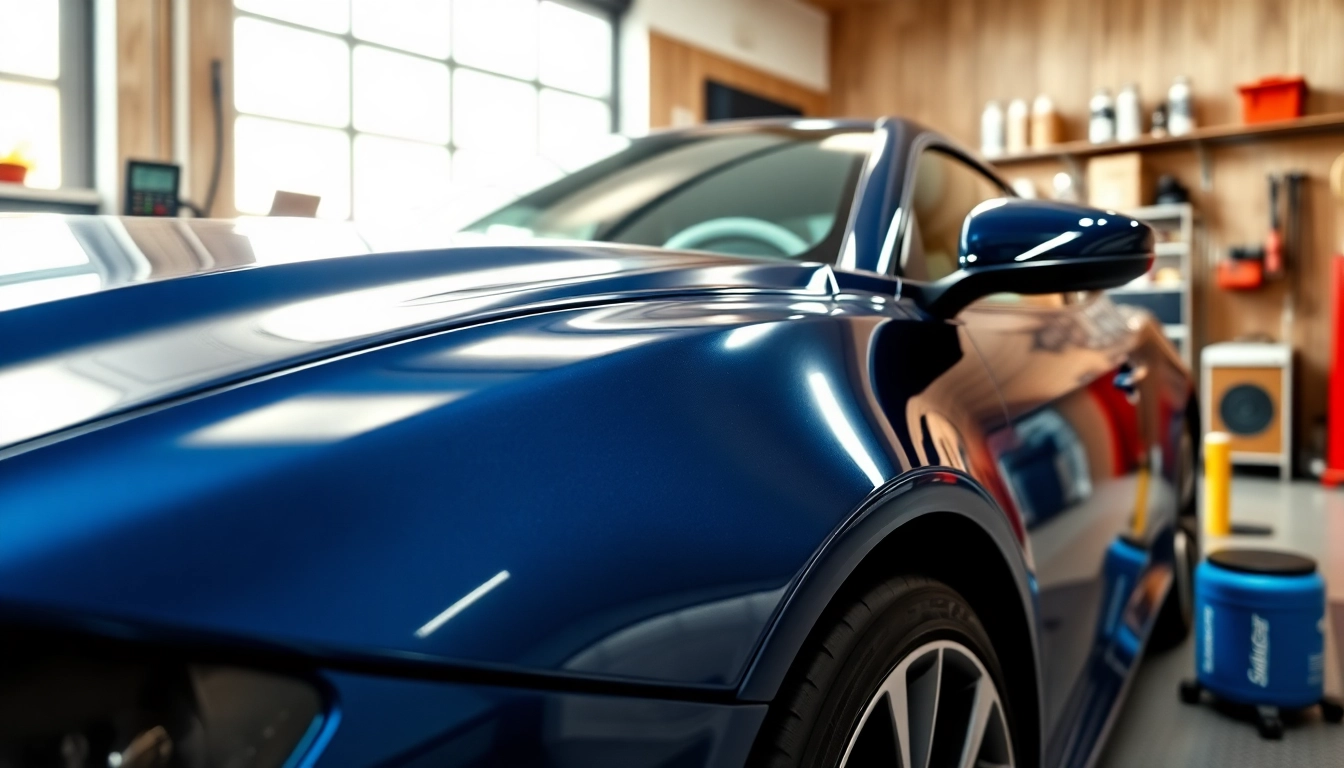
Introduction to Salt Protection Ceramic Coating
In the world of automotive care, protecting your vehicle’s exterior from environmental factors has become increasingly essential. Whether it’s sun exposure, bird droppings, or road salt during the winter months, multiple elements can compromise your vehicle’s appearance and longevity. One innovative solution gaining traction among car enthusiasts and casual drivers alike is salt protection ceramic coating. This advanced technology offers significant benefits, particularly in areas where road salt is prevalent.
What is Ceramic Coating?
Ceramic coating is a liquid polymer that chemically bonds to the factory paint of a vehicle. This layer of protection acts as a barrier against various damaging elements, making it hardness and durability far superior to traditional wax and sealants. Ceramic coatings are hydrophobic, meaning they repel water, and they offer excellent UV protection, reducing the risk of fading and oxidation. The result is a glossy, durable finish that enhances the overall aesthetic appeal of the vehicle.
Importance of Salt Protection
Salt is used extensively on roads during winter to melt ice and provide safer driving conditions; however, it can be incredibly damaging to vehicles. When salt comes into contact with the metal components of cars, it can cause corrosion and rust, leading to significant structural problems. A salt protection ceramic coating acts as an essential defensive layer against these corrosive elements, effectively extending the life of the vehicle and preserving its value.
How Salt Affects Vehicles
When vehicle surfaces come into contact with salt, especially when wet, the corrosion process accelerates. Saltwater creates an environment that attracts moisture, allowing rust to develop more rapidly. Commonly affected areas include the undercarriage, wheel wells, and exposed metal surfaces. Over time, untreated areas may experience severe corrosion, leading to costly repairs or even replacement of parts. Therefore, understanding and mitigating the effects of salt through protective measures is critical for maintaining vehicle integrity.
Benefits of Salt Protection Ceramic Coating
Investing in a salt protection ceramic coating offers numerous advantages that extend beyond mere aesthetics. Here are some of the key benefits:
Durability and Longevity
Salt protection ceramic coatings are designed to withstand extreme conditions, including temperature fluctuations and various weather patterns. They provide a resilient layer that protects the vehicle from scratches, chemical stains, and UV damage. When properly maintained, ceramic coatings can last for several years, making them a smart investment for vehicle owners looking to maximize the durability and longevity of their vehicles.
Enhanced Shine and Appearance
One of the most appealing aspects of ceramic coatings is the enhanced reflective properties they provide. A vehicle treated with salt protection ceramic coating exhibits a deep, glossy finish that turns heads. This sheen not only looks great but also helps mask minor imperfections in the paintwork, contributing to an overall look of refinement and care.
Ease of Maintenance
With a ceramic coating in place, washing the vehicle becomes significantly easier. The hydrophobic qualities mean that water beads off the surface, taking dirt and grime with it. This dramatically reduces the frequency of washing and the effort required to keep the car looking clean. Additionally, traditional waxes and sealants require reapplication every few months, whereas ceramic coatings typically need only periodic maintenance.
Application Process of Salt Protection Ceramic Coating
While the benefits of salt protection ceramic coatings are clear, proper application is crucial to achieving optimal results. Below is an overview of the application process:
Preparation of the Vehicle Surface
Before applying ceramic coating, the vehicle must undergo thorough cleaning and preparation. This includes:
- Washing: Start with a pH-neutral car wash to remove surface dirt and contaminants.
- Decontamination: Use a clay bar to eliminate embedded particles that washing may not remove.
- Polishing: For vehicles with blemishes, a polishing step can help create a smooth surface.
- Final wipe: Use an alcohol-based solution to ensure the surface is completely clean and free of oils.
Step-by-Step Application Guide
The actual application of the salt protection ceramic coating consists of several steps:
- Wearing appropriate personal protective equipment (gloves, mask) to ensure safety.
- Applying the coating in small sections to avoid premature curing, using an applicator pad.
- Allowing the coating to bond according to the manufacturer’s instructions—usually a few minutes.
- Buffing the surface with a microfiber towel to achieve a smooth, glossy finish.
- Repeating the process until the entire vehicle is covered, ensuring even coverage.
Post-Application Care Tips
After applying the ceramic coating, proper care is vital for longevity:
- Avoid washing the vehicle for at least a week to allow proper curing.
- Utilize pH neutral products in future washes to prevent degrading the coating.
- Consider periodic maintenance products specifically designed for ceramic coatings.
Cost Considerations and Value of Salt Protection Ceramic Coating
When contemplating the investment in a ceramic coating, understanding cost implications and the value derived is crucial. Here’s what to consider:
Initial Investment vs. Long-term Savings
The upfront cost of applying a salt protection ceramic coating can be a deterrent for some vehicle owners. However, when evaluating the investment in terms of long-term savings, these coatings can help avert costly repairs due to rust and damage caused by road salt. Additionally, choosing a ceramic coating often means less frequent waxing and detailing, which can result in substantial cost savings over time.
Factors Influencing Cost
Several factors can influence the pricing of salt protection ceramic coating:
- Vehicle size and type, as larger vehicles require more product and labor.
- The complexity of the application process, especially for special finishes.
- The quality of the ceramic coating product used, with premium brands generally costing more.
Return on Investment: Is it Worth It?
Determining whether a salt protection ceramic coating is worth the expenditure often comes down to the individual’s circumstances. For those living in climates with heavy snowfall and road salt use, the protective benefits often outweigh the costs. Moreover, the potential increase in vehicle resale value due to well-maintained paintwork adds to the overall justification for this investment.
Frequently Asked Questions about Salt Protection Ceramic Coating
How long does the coating last?
The lifespan of a ceramic coating can vary, but most quality products offer protection for 2-5 years when properly maintained.
Can I apply it myself?
While DIY kits are available, professional application ensures better results and longevity, especially for newcomers to the process.
Is it safe for all types of vehicles?
Yes, ceramic coatings are safe for all types of vehicles, including cars, trucks, and motorcycles, regardless of make or model.
How do I maintain the coating?
Maintenance involves regular washing with pH-neutral cleaners and the occasional use of ceramic-specific maintenance products to rejuvenate the shine.
Does it protect against scratches?
Ceramic coatings greatly reduce the risk of scratches but do not make a vehicle scratch-proof. Proper care is still crucial.