Understanding British Pond Plants
British pond plants play a vital role in creating not just beautiful aquatic spaces but also in maintaining the health of ecosystems. These plants are not only aesthetically pleasing but also provide essential benefits for wildlife and water quality. Understanding the variety and specific characteristics of British Pond Plants is crucial for anyone looking to establish a thriving pond garden in their backyard or landscape. In this article, we'll explore the different types of pond plants, their benefits, and how to choose the right ones for your unique pond environment.
What Are British Pond Plants?
British pond plants, also known as aquatic plants, are flora that thrive in or around water bodies such as ponds, lakes, and marshes in the UK. They can be categorized into different groups, including submerged, emergent, and floating plants. Each type has its unique adaptations to thrive in aquatic environments, contributing to the overall health and biodiversity of the ecosystem. Understanding these categories can help in selecting the right plants for your garden.
Benefits of Incorporating Pond Plants
- Water Quality Improvement: Aquatic plants absorb nutrients and help to filter and purify pond water, reducing algae growth and maintaining clarity.
- Wildlife Habitat: Pond plants provide habitats for various species, including amphibians, insects, and birds, enabling a rich biodiversity.
- Oxygen Production: Through photosynthesis, these plants release oxygen into the water, improving conditions for fish and other aquatic life.
- Erosion Control: Roots help stabilize soil and reduce erosion around the pond, ensuring a balanced landscape.
Common Types of British Pond Plants
When it comes to selecting plants for your pond, it’s important to know the common varieties available. Some of the most popular British pond plants include:
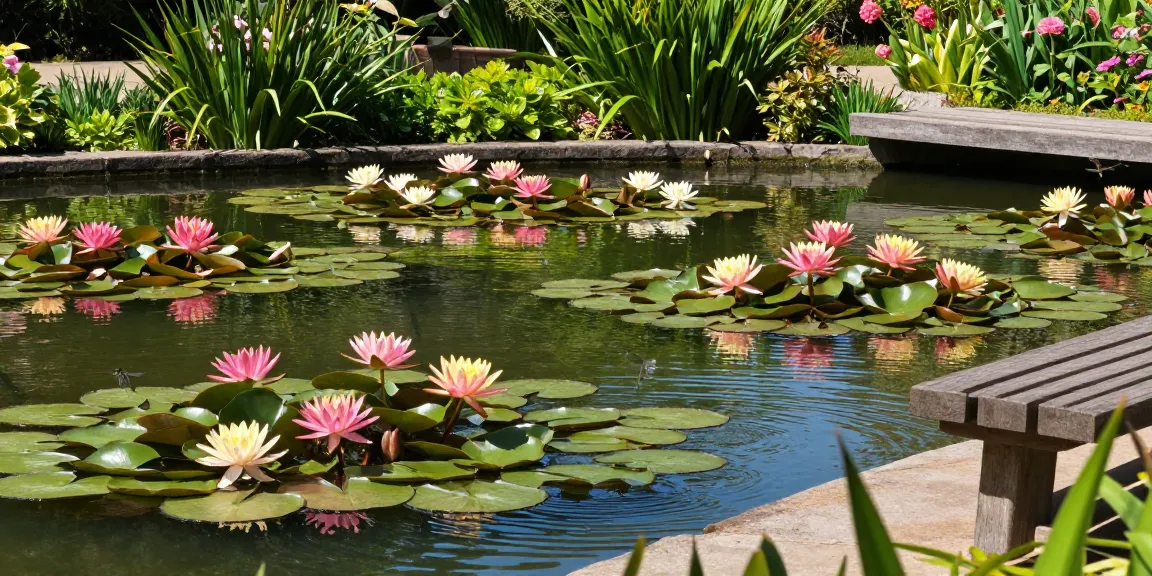
- Water Lily (Nymphaea): Beautiful and iconic, water lilies float on the surface, providing shade and habitat for pond inhabitants.
- Marsh Marigold (Caltha palustris): This early spring bloomer is known for its bright yellow flowers and thrives in damp conditions.
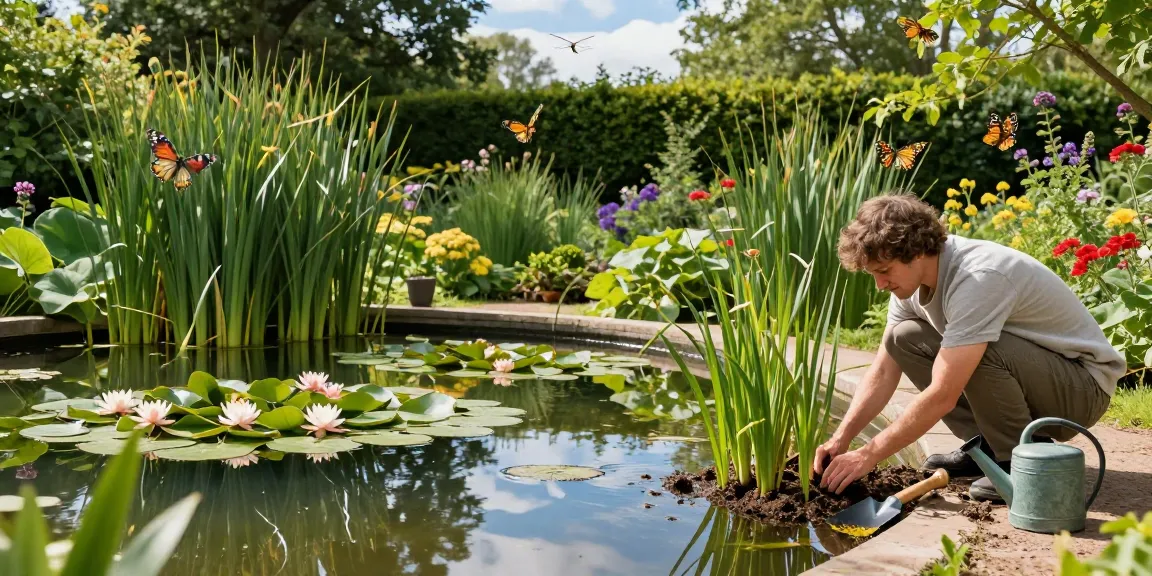
- Common Reed (Phragmites australis): A tall grass that provides excellent habitat for birds and helps filter water.
- Water Forget-Me-Not (Myosotis scorpioides): With its charming blue flowers, this plant can be found in wet grasslands and along the edges of ponds.
Choosing the Right Pond Plants for Your Garden
Selecting the appropriate plants for your pond garden is critical to creating a balanced and thriving ecosystem. There are several factors to consider to ensure that the plants you choose will flourish in your unique environment.
Factors to Consider When Selecting Plants
- Water Depth: Different plants require varying water depths. Submerged plants need deeper areas, while emergent plants can thrive at the edges.
- Sunlight Exposure: Some plants thrive in full sun, while others prefer shaded areas. Assess your pond’s sunlight patterns before making selections.
- Climate Zone: Understanding your local climate will help you choose plants that are well-adapted to thrive in your area.
Matching Plants to Your Pond Environment
Not all ponds are created equal; factors such as size, depth, and surrounding flora can impact which plants will grow successfully. Consider the following:
- Natural Habitat: Choose plants that naturally occur in your area for a more authentic pond ecosystem.
- Aquatic Conditions: Assess the water quality and conditions, including pH and nutrient levels, before selecting plants.
Seasonal Planting Strategies for 2026
As gardening practices evolve, seasonal strategies for planting pond plants are also transforming. In 2026, consider the following approaches:
- Early Spring Planting: Begin planting tender annuals after the last frost to ensure they establish before summer.
- Late Summer Division: Revive overgrown perennials by dividing them in late summer for better growth in the following year.
Care and Maintenance of British Pond Plants
Proper care and maintenance are essential for sustaining health and growth in your pond plants. Regular attention to water quality, pest control, and seasonal maintenance can ensure your pond remains vibrant and thriving.
Water Quality and Its Impact on Plant Health
The quality of water in your pond directly affects the health of your plants. Regular testing for pH, nutrient levels, and overall clarity is crucial. Here are tips to maintain healthy water quality:
- Aeration: Introducing aeration devices can help increase oxygen levels, benefiting both plants and aquatic life.
- Nutrient Management: Monitor and manage nutrient levels to prevent algae blooms that can overtake plants.
Effective Pest and Disease Control Methods
Pond plants are susceptible to various pests and diseases. The following methods can effectively manage these challenges:
- Natural Predators: Encourage beneficial insects such as ladybugs and predatory beetles that will keep pest numbers in check.
- Organic Treatments: Utilize organic pesticides or natural remedies like neem oil to treat infestations without harming the ecosystem.
Best Practices for Seasonal Maintenance
To keep your pond plants healthy throughout the year, follow these seasonal maintenance practices:
- Spring Cleaning: Remove debris and ensure that plants are not overcrowded as they start to grow.
- Summer Monitoring: Regularly check water levels and protect against invasive species.
- Autumn Preparation: Trim back dead foliage and prepare plants for winter dormancy.
Enhancing Biodiversity with British Pond Plants
Integrating British pond plants into your garden is not just about aesthetic appeal; it also significantly enhances biodiversity. Building a thriving habitat can profoundly impact local wildlife and ecosystem health.
Creating Habitats for Aquatic Wildlife
Designing your pond with biodiversity in mind can involve several strategies:
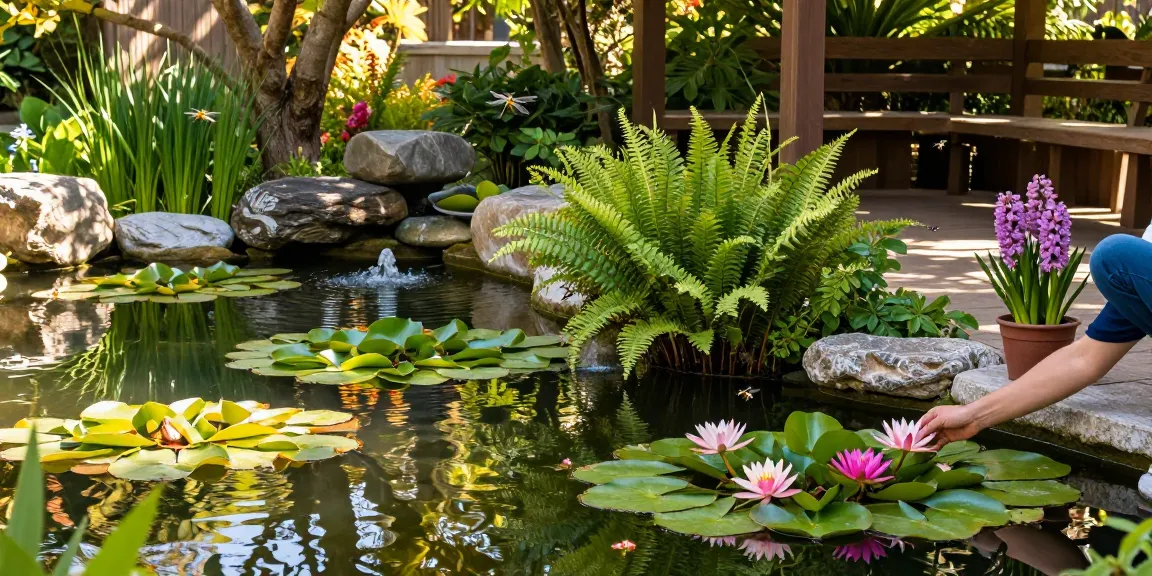
- Variety of Plant Types: Include a mix of submerged, emergent, and floating plants to provide different habitats.
- Natural Materials: Use rocks, logs, and organic materials to create shelter and nesting sites for wildlife.
Role of Pond Plants in Ecosystem Health
Pond plants play a vital role in maintaining ecological balance. Here are some key functions they serve:
- Nutrient Cycling: Plants absorb excess nutrients, which helps prevent problems like algal blooms.
- Habitat Creation: They provide a sanctuary for various species, promoting a diverse and resilient ecosystem.
Engaging Community in Biodiversity Projects
Community involvement can significantly enhance local biodiversity. Engage your community through:
- Workshops: Host educational workshops on the importance of pond plants and how to care for them.
- Volunteer Days: Organize clean-up and planting days where community members can come together to enhance local ponds.
Future Trends in British Pond Gardening
As we look forward to 2026, several trends are emerging in the realm of British pond gardening that focus on innovation, sustainability, and ecological awareness.
Innovative Techniques for Pond Plant Cultivation in 2026
Incorporating technology and innovative practices is becoming increasingly popular:
- Hydroponics: Exploring hydroponic systems for growing aquatic plants can lead to increased yield and healthier plants.
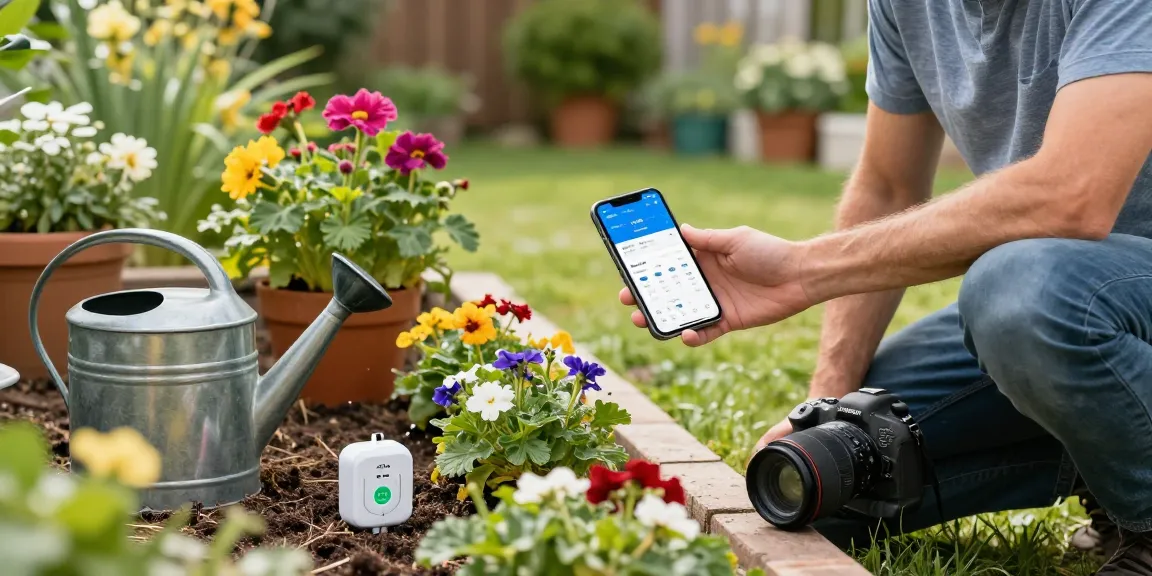
- Smart Gardening: Utilizing apps and sensors to monitor water quality and plant health is on the rise.
Sustainability Practices for Eco-Friendly Gardening
As awareness of environmental issues grows, sustainable practices in pond gardening are gaining traction:
- Native Plant Use: Focusing on indigenous species helps maintain biodiversity and reduces the risk of invasive species.
- Water Conservation: Implementing rainwater harvesting and efficient irrigation methods minimizes water waste.
Why British Pond Plants Are Key to Biodiversity Conservation
British pond plants are essential for promoting biodiversity and ecosystem health. Their ability to support wildlife, improve water quality, and contribute to ecological balance cannot be overstated. By planting and caring for these species, gardeners can play a significant role in enhancing local ecosystems, supporting native species, and combatting biodiversity loss.
What are the best practices for planting British pond plants?
Best practices for planting British pond plants include selecting the right species for your local environment, ensuring proper soil and water conditions, and planting at the appropriate time of year to allow for establishment.
How do I maintain a healthy pond ecosystem?
Maintaining a healthy pond ecosystem involves monitoring water quality, ensuring a balance of plant types, controlling pests naturally, and performing regular maintenance tasks such as cleaning and trimming plants.
Can I grow British pond plants in containers?
Yes, many British pond plants can be grown in containers, allowing for flexibility in design and making it easier to manage water conditions and plant health.
What wildlife benefits from British pond plants?
British pond plants provide crucial habitats for a variety of wildlife, including frogs, dragonflies, waterfowl, and beneficial insects, contributing to a rich and diverse ecosystem.
Are there any invasive species to avoid when planting?
Yes, it's important to be cautious of invasive species such as Japanese knotweed and certain types of water hyacinth, as these can disrupt local ecosystems and outcompete native plants.