Understanding PPF Winter Road Salt Protection
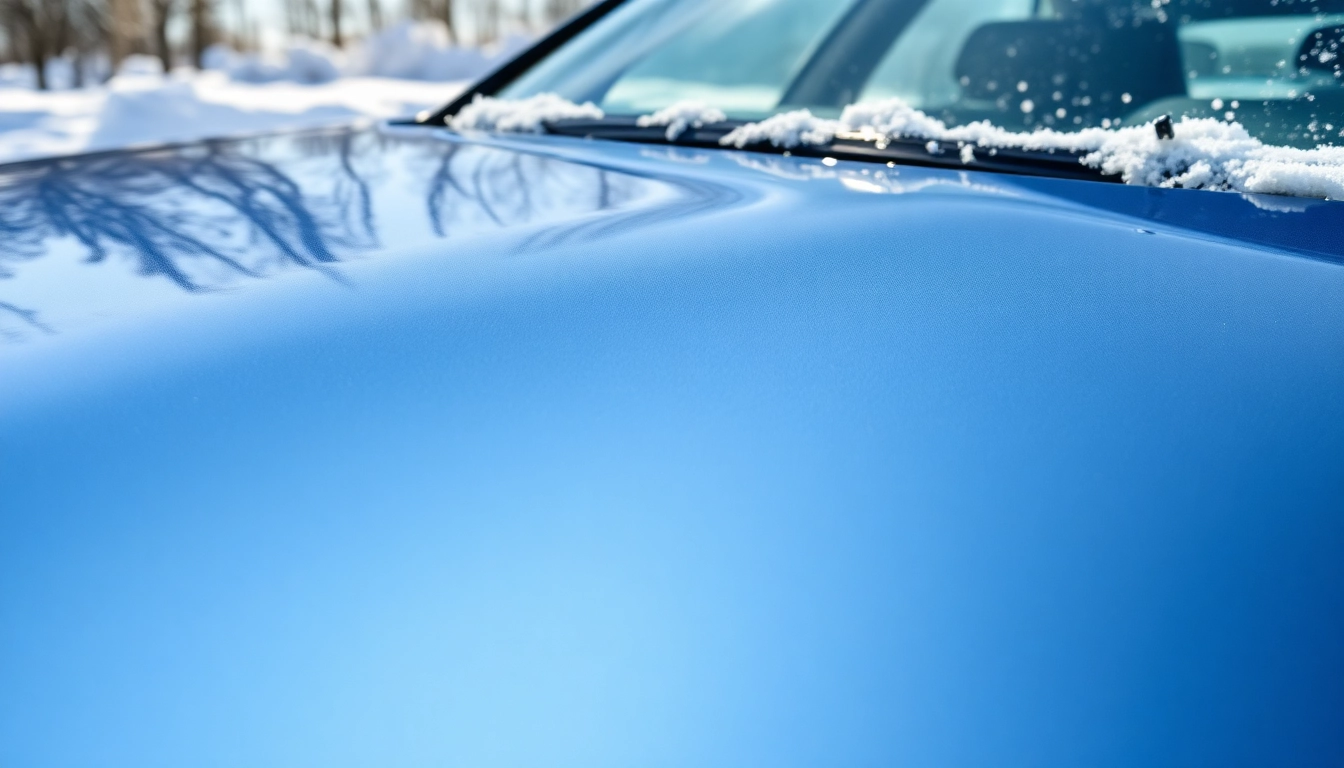
As winter descends and snow blankets the roads, many vehicle owners become increasingly concerned about the effects of harsh weather conditions on their cars. One such concern is the damaging impact of road salt, used to mitigate ice but known for its corrosive properties on vehicle exteriors. To safeguard your investment, many enthusiasts and experts recommend PPF winter road salt protection, a highly effective means of averting damage from these winter hazards. This article delves into the nuances of Paint Protection Film (PPF), how it defends your vehicle during the cold months, and the essential considerations for maintaining its efficacy.
What is PPF?
Paint Protection Film (PPF) is a transparent, thermoplastic urethane film that acts as a protective layer over your vehicle's paint. First developed for military use in the 1960s to protect helicopter blades from debris, PPF has evolved into a popular choice for car enthusiasts and everyday drivers alike. Its primary purpose is to shield the car's paint from chips, scratches, and environmental contaminants while maintaining an aesthetically pleasing appearance.
How PPF Protects Your Vehicle
The mechanics of PPF are relatively simple yet highly effective. This film is applied to surfaces such as hoods, bumpers, mirrors, and door edges where damage is most likely to occur. Upon installation, PPF adheres seamlessly to your car's exterior, resulting in a robust barrier that repels road debris, rocks, and, crucially, salt. When a protective layer is in place, road salt particles simply slide off the film instead of penetrating and corroding the underlying paintwork, thus enhancing longevity and reducing maintenance needs.
Benefits of PPF in Winter
Using PPF during winter months yields numerous advantages:
- Corrosion Resistance: Protects against the corrosive effects of road salt and moisture.
- Scratch Protection: Guards against physical damage from ice, snow, and abrasive particles.
- Enhanced Aesthetics: Retains the vehicle's glossy finish, helping it to look new for longer.
- Easy Maintenance: Simplifies the washing process; snow and salt are less likely to cling to the surface.
- Cost-Effectiveness: Reduces the need for costly paint repairs and detailing over time.
Common Winter Hazards and Their Impact on Your Car
As temperatures drop and winter weather sets in, your vehicle faces a variety of potential threats that can compromise its integrity and appearance. Understanding these hazards can help you take proactive measures to protect your car.
The Effects of Road Salt on Car Paint
Road salt, primarily composed of sodium chloride, is a vital substance for safety in winter driving. However, when applied to vehicles, it can lead to several issues:
- Rust Formation: Salt accelerates rust formation on bare metal and damaged paint.
- Pitting and Corrosion: Exposed areas suffer pitting, leading to further decay.
- Acidic Reactions: Salt can react with other substances on the car, exacerbating paint damage.
Without proper protection, the cumulative effects of salt can lead to unsightly damage that diminishes both the aesthetic appeal and resale value of a vehicle.
Other Winter Elements to Consider
In addition to road salt, winter conditions introduce various elements that can harm your vehicle, including:
- Ice and Snow: These can cause scratches and abrasions on paint surfaces.
- Road Debris: Chunks of ice, rocks, and gravel can chip paint and create vulnerable spots.
- Extreme Temperatures: Fluctuating temperatures can lead to paint cracking and fading.
Each of these hazards contributes to a host of potential problems, reinforcing the need for effective protective measures such as PPF.
Cost of Damage vs. PPF Investment
When weighing the cost of potential damage against the investment in PPF, it’s essential to consider the long-term implications:
- Repair Costs: Restoring a vehicle can cost hundreds to thousands of dollars depending on paint damage.
- Resale Value: Vehicles that have suffered exterior damage often depreciate faster.
- PPF Costs: While up-front PPF installation may seem high, the protective benefits substantially outweigh it over time.
Overall, investing in PPF serves as a preventative measure that can save you money in the long run, safeguarding your vehicle against the relentless assault of winter hazards.
Choosing the Right PPF for Winter Protection
Selecting the optimum PPF for winter conditions requires careful consideration of several key factors that define its effectiveness and longevity.
Thickness and Durability Factors
The thickness of PPF is crucial in determining its protective capabilities. Thicker films generally provide better protection from chips and abrasions. Look for PPF offerings that range from 6 mils to 10 mils in thickness, as this thickness range offers an excellent balance between durability and flexibility. Furthermore, consider films that feature self-healing properties. Such films can effectively "repair" minor scratches and abrasions when exposed to heat, thereby maintaining their integrity throughout the winter months.
Types of PPF Available
The market offers various types of PPF designed for different needs. Some key types include:
- Self-Healing Films: These films can mend minor scratches upon exposure to heat from sunlight or warm water.
- Gloss and Matte Finishes: Depending on your aesthetic preference, you can choose between glossy or matte finishes.
- Pre-Cut Kits: Many manufacturers offer pre-cut kits tailored to specific vehicles, simplifying the installation process.
By understanding the types of PPF available, you can select the option that best suits your vehicle's needs, especially regarding winter protection.
Installation Considerations
While some vehicle owners consider DIY installation, hiring a professional is often advisable due to several factors:
- Experience: Professionals have the knowledge and experience to apply PPF without imperfections.
- Tools and Materials: Specialized tools for installation reduce the risk of mistakes and ensure a cleaner finish.
- Warranty Coverage: Many reputable installers offer warranties that cover the longevity and performance of the film.
Professionally installed PPF not only provides peace of mind but also ensures that the product performs optimally throughout harsh winter conditions.
Maintenance Tips for PPF in Winter
To maximize the lifespan and performance of PPF, particularly during the winter months, regular maintenance is essential. The following practices can help maintain the protective benefits of PPF:
Regular Cleaning Practices
Keeping your PPF clean is vital for maintaining its protective qualities. Use a gentle automotive soap and avoid high-pressure washes that could lift the film edges. Additionally, it's advisable to wash the vehicle regularly to remove road salt and debris accumulation that could compromise the film.
Inspecting for Damage
Regularly inspecting your PPF for signs of peeling, cracking, or lifting is crucial. Check the edges and corners where the PPF adheres to the paint to ensure no underlying paint is exposed. Early detection allows for timely repairs, which can prevent further damage.
When to Reapply or Replace PPF
With proper care, PPF can last between five to ten years. However, factors like UV exposure and environmental conditions can affect its longevity. If you notice significant wear, discoloration, or damage that cannot be repaired with self-healing features, it may be time to consider a replacement. Always consult with your PPF installer for guidance on the appropriate course of action.
FAQs on PPF Winter Road Salt Protection
What is the lifespan of PPF in winter conditions?
Generally, PPF can last 5 to 10 years with proper care, even in winter conditions.
Can PPF be self-installed?
While it is possible to self-install PPF, professional installation is recommended for best results.
How does PPF affect vehicle resale value?
Vehicles with PPF often retain higher resale value due to their maintained appearance and protection.
Is PPF worth the investment?
Yes, PPF can save on costly repairs and enhances vehicle longevity, especially in harsh winters.
Can PPF withstand harsh winter elements?
Yes, high-quality PPF is designed to resist damage from road salt, ice, and snow.