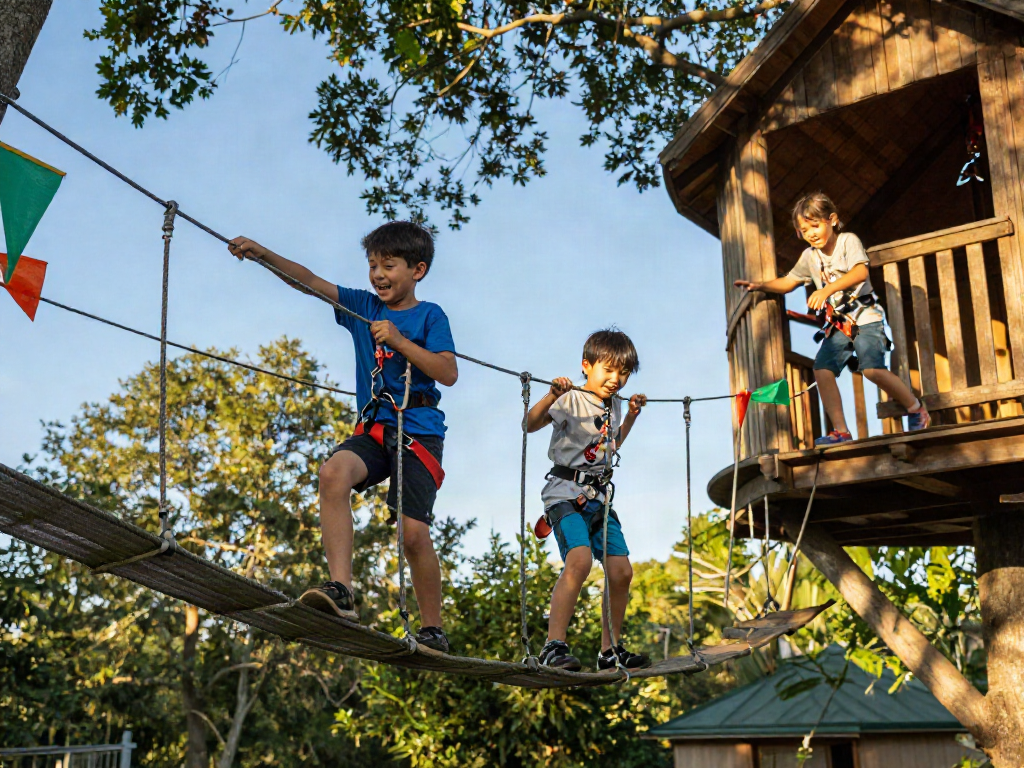
Understanding Rope Bridge Costs
Building a rope bridge can be an exciting endeavour, whether for recreational purposes or as part of a larger construction project. However, understanding the costs involved is critical to planning effectively. This article delves into the various factors influencing the price of rope bridges, offering insights to help you make informed decisions. When exploring options, Rope Bridge construction can be tailored to meet specific budgets and functional needs.
What Factors Influence Rope Bridge Prices?
Several factors play a significant role in determining the overall cost of constructing a rope bridge. Here are some of the key influencers:
- Materials Used: The type of materials, such as high-strength synthetic rope or natural fibre, can dramatically affect pricing. Durable materials tend to cost more but offer enhanced longevity.
- Size and Scope: The dimensions of the bridge, including its length and height, will influence both material and labour costs. Larger bridges require more resources and time.
- Design Complexity: Simple designs will typically be less expensive, while intricate structures with additional safety features or aesthetic elements can increase costs.
- Location: Accessibility of the construction site can impact labour costs and logistics. Bridges built in remote or difficult-to-reach areas may require additional planning and resources.
- Labour Costs: Depending on the region, labour rates can vary significantly. Hiring experienced contractors can increase initial costs but may save money in the long run due to their expertise.
Average Cost for Different Types of Rope Bridges
On average, the costs for various types of rope bridges can range widely based on the factors mentioned above. Here are some estimates for different styles:
- Simple Rope Bridges: Typically range from £500 to £2,500, suitable for small playgrounds or backyard projects.
- Commercial-grade Bridges: Designed for public spaces or heavy use, these can range from £5,000 to £20,000, depending on size and materials.
- Custom-built Bridges: Unique designs may escalate costs to £25,000 or more, especially if incorporating advanced safety features and aesthetic designs.
Material Choices and Their Impact on Budget
The choice of materials not only influences the cost but also the durability and appearance of the rope bridge. Some popular materials include:
- Polyester Rope: Known for its high strength and moisture resistance, this material is a popular choice for handrails and bridge construction.
- Natural Fibre Rope: While usually less expensive, natural fibres lack the durability of synthetic options.
- Wooden Supports: Utilised in some designs, timber can add to the aesthetic appeal but also increases maintenance costs.
Building Your Own Rope Bridge
Creating a rope bridge can be a rewarding project that adds value to your property or play area. However, it’s important to approach the construction process methodically.
Essential Tools and Materials Needed
Before embarking on the construction journey, ensure you have the right tools and materials. Essentials include:
- Rope (preferably polyester for handrails)
- Wood for supports and platforms
- Metal connectors and hardware
- A power drill and saw
- Safety gear (gloves, goggles, harness)
Step-by-Step Guide to Constructing a Rope Bridge
Follow these steps to successfully build a rope bridge:
- Determine the location and measure the required length.
- Gather your materials and tools.
- Construct the supports by anchoring wooden posts securely.
- Attach the rope to form the bridge, ensuring it is taut and secure.
- Add safety rails or nets if necessary for additional protection.
- Inspect the bridge for stability and safety before use.
Safety Considerations When Building
Safety is paramount when constructing a rope bridge. Ensure you:
- Use high-quality materials to withstand expected load stress.
- Check for any sharp objects or protrusions that could pose hazards.
- Regularly inspect the bridge for wear and tear.
- Involve professionals if unsure about structural integrity.
Rope Bridge Maintenance and Longevity
Proper maintenance is crucial for the longevity and safety of your rope bridge. Regular care will enhance its lifespan and performance.
How to Properly Care for Your Rope Bridge
To maintain your rope bridge, consider the following practices:
- Clean the rope material regularly to remove dirt and debris.
- Inspect for any signs of fraying or wear, particularly at high-stress points.
- Replace worn-out ropes and components promptly to prevent accidents.
Signs of Wear and When to Replace
Be vigilant for signs that indicate it might be time to replace parts of your rope bridge:
- Visible fraying or deterioration in the rope.
- Loose connections or hardware that was previously secure.
- Any significant sagging that could indicate structural issues.
Environmental Factors Affecting Durability
Environmental factors such as moisture, UV exposure, and temperature fluctuations can impact the durability of your rope bridge. Here’s how:
- Moisture: High humidity can cause natural fibres to rot; synthetic options are more resistant.
- UV Exposure: Prolonged sun exposure can weaken ropes unless they are UV-treated.
- Temperature Changes: Extreme temperatures can affect material integrity, making regular inspections essential.
Creative Uses for Rope Bridges
Rope bridges can serve various functional and aesthetic purposes beyond simple crossing points.
Incorporating Rope Bridges into Play Areas
Children's play areas can greatly benefit from rope bridges. They encourage physical activity, balance, and imaginative play. Adding a rope bridge to a playground can create an adventurous atmosphere where children can explore their surroundings safely.
Unique Designs for Aesthetic Appeal
Rope bridges don’t have to be purely functional; they can also be visually striking. Consider unique designs that align with the surrounding landscape or architecture, such as:
- Curved designs that mimic natural lines in the environment.
- Bridges adorned with decorative lighting for an enchanting evening experience.
- Bridges that integrate natural materials like wood to blend with the surroundings.
Rope Bridges in Educational Settings
In educational contexts, rope bridges can serve as practical learning tools. They can be used in:
- Science classes to teach physics and engineering concepts.
- Outdoor education programs focusing on teamwork and resilience.
- Art installations that encourage creativity and environmental connection.
Future Trends in Rope Bridge Construction
As technology advances, so too does the potential for innovative rope bridge designs and materials.
Innovative Materials and Design Approaches
Future designs are likely to incorporate sustainable materials like recycled plastics or advanced composites that offer improved resilience and lower environmental impact. Additionally, prefabrication techniques may reduce costs and construction time.
Predictions for Rope Bridge Popularity by 2026
By 2026, rope bridges are expected to see an uptick in popularity among homeowners and public parks alike, driven by a growing appreciation for outdoor activities and nature-centric designs. The connection to safety and sustainability will further enhance their appeal.
Influence of Technology on Rope Bridge Safety and Design
Technology will continue shaping rope bridge construction, with advancements like smart materials that can indicate wear or strain developing in real-time. Enhanced safety sensors could mitigate risks, thus making rope bridges a safer and more viable option for different environments.
What is a rope bridge?
A rope bridge is a type of bridge that uses ropes and cables to support its structure, allowing for flexibility and lightweight construction. These bridges can span various gaps, such as rivers or ravines, making them popular in both recreational and practical applications.
How do you make a rope bridge?
Constructing a rope bridge involves measuring the gap you want to cross, securing supports at either end, and interweaving ropes to create a stable walking platform. It is essential to ensure that the bridge can bear the anticipated load and adheres to safety regulations.
How much does a rope bridge cost?
The cost of a rope bridge can vary widely depending on the materials used, size, and complexity. Simple backyard designs may cost as little as £500, while more elaborate commercial projects can reach upwards of £20,000 or more.