

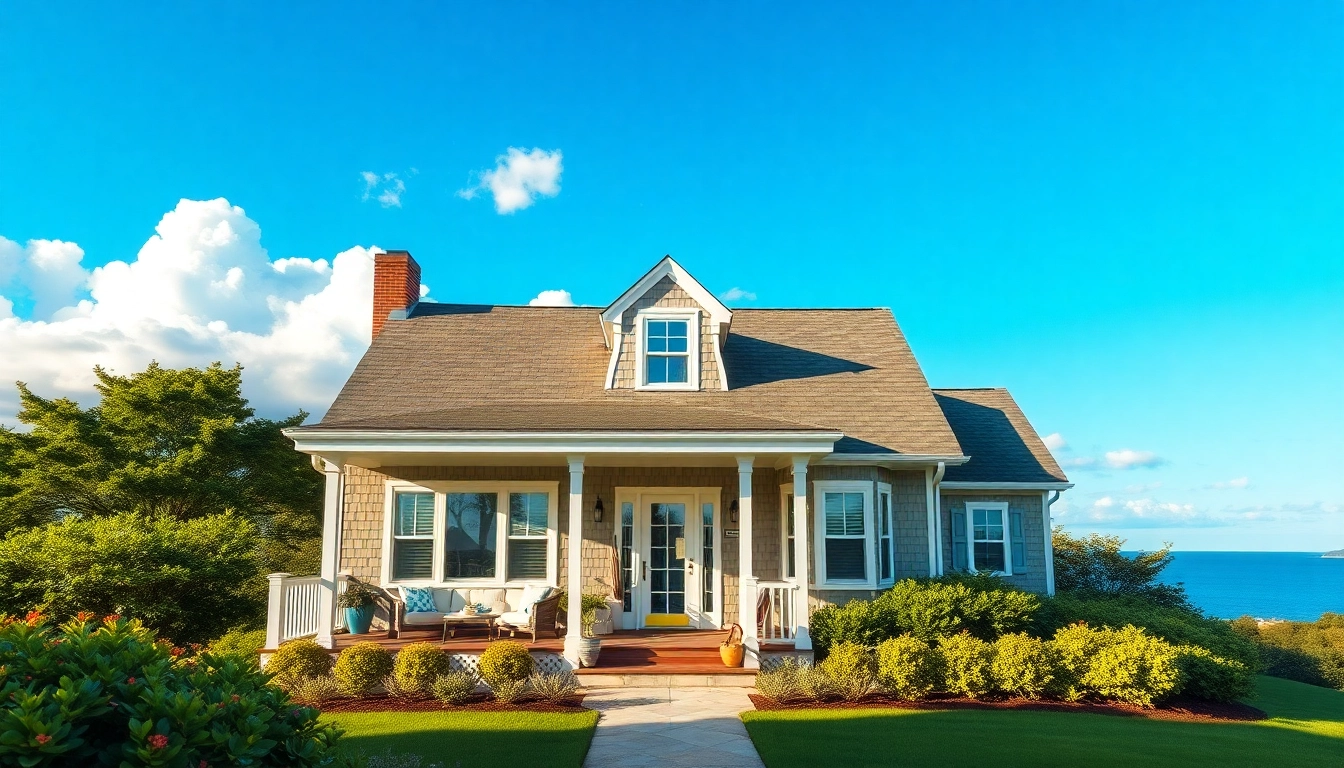
Understanding the Cape Cod Home Aesthetic
The Historical Significance of Cape Cod Homes
The Cape Cod home, an architectural icon of New England, has its roots steeped in history. Originating in the 17th century, these homes were built by early American settlers who sought functional and durable residences in a harsh climate. The simplicity of the design, with steep roofs and symmetrical layouts, was not just aesthetic but practical, ensuring the homes withstood the New England weather. Understanding this historical context enriches appreciation for the cape cod home and prompts many to preserve its essence even today.
Key Features of Cape Cod Home Design
A traditional Cape Cod home is characterized by its one-and-a-half stories, steep pitched roof, and dormer windows. The exteriors typically boast clapboard siding painted in muted colors, with white trim that accentuates the clean lines of the structure. Inside, the layout is often open, with a central fireplace serving as a focal point, emphasizing the home’s utilitarian origins. Additionally, the large windows invite plenty of natural light, connecting indoor spaces with the beautiful coastal surroundings. These features combine to create homes that are not only functional but also deeply nostalgic.
Modern Twists on Traditional Cape Cod Homes
While many appreciate the traditional aesthetics of Cape Cod architecture, modern adaptations breathe new life into the classic design. Homeowners today often integrate open floor layouts, large outdoor decks, and sustainable materials. Smart home technology has also found its way into these residences, allowing for energy efficiency and enhanced comfort without compromising the historic charm. By incorporating modern amenities while respecting the Cape Cod style, homeowners can create spaces that are both livable and reflective of contemporary tastes.
Planning Your Cape Cod Home Expansion
Deciding on Design Elements for Expansion
When planning an expansion of your Cape Cod home, the first step is to decide upon design elements that will blend seamlessly with the existing structure. Consider maintaining the characteristic features such as gable roofs, clapboard siding, and dormers. Adding architectural details like beadboard paneling or shiplap can enhance interior spaces. Remember, the goal is to expand without losing the essence of what makes a Cape Cod home special.
Considering the Environment and Landscape
An essential aspect of any home expansion is consideration of the surrounding environment and landscape. For Cape Cod homes, this often means appreciating the views and natural elements unique to coastal living. Tree placements, sun direction, and the proximity to the shoreline should all influence design choices. Additionally, landscaping should complement the expanded design and can include native plants to enhance sustainability while requiring less maintenance.
Common Challenges in Home Expansion Projects
Home expansions, particularly in established neighborhoods, can pose several challenges. Zoning regulations may restrict the size or style of expansions. Furthermore, integrating modern utilities within the existing structure without compromising aesthetics can be tricky. Timing is another obstacle, as construction can be delayed by weather or contractor availability. Engaging with experienced architects and builders familiar with local regulations can help navigate these issues effectively, ensuring a smooth expansion process.
Materials and Finishes for Your Cape Cod Home
Choosing Sustainable Materials
As sustainability becomes a key focus in home building, choosing eco-friendly materials is essential. Many modern Cape Cod expansions utilize reclaimed wood, which adds character while reducing emissions from new lumber production. Other sustainable options include fiber cement siding, which mimics the traditional clapboard without the environmental impact of wood, and energy-efficient windows that can minimize heating and cooling needs.
Color Palettes that Complement Cape Cod Style
The color palette of a Cape Cod home plays a significant role in maintaining its classic aesthetic. Opt for soft, natural tones inspired by the surroundings. Shades of sandy beige, seafoam green, and sky blue can evoke the coastal environment beautifully. Accents in crisp white and deep navy can create stunning contrasts that honor the home’s nautical roots. It’s essential to consider how these colors will look throughout the seasons, as lighting changes can significantly impact their appearance.
Durable Finishes for Coastal Conditions
Coastal living presents unique challenges regarding materials and finishes. Choosing durable, weather-resistant materials is paramount to preserve the home’s integrity. For instance, high-grade PVC trim, composite decking, and aluminum roofing can withstand salt air and harsh weather conditions. Additionally, finishes with high UV resistance can help maintain the vibrancy of colors against fading while protecting against moisture. Investing in quality materials can ensure longevity and reduce maintenance costs over time.
Incorporating Modern Amenities in a Cape Cod Home
Kitchen and Bathroom Innovations
The heart of the home—a kitchen—has seen significant innovation in recent years. Consider integrating open shelving, smart appliances, and energy-efficient fixtures that enhance both functionality and the Cape Cod aesthetic. Bathrooms can also benefit from modern amenities like heated flooring and high-efficiency toilets. These upgrades not only improve comfort but also ensure that the spaces adhere to contemporary standards of living while being practical for family use.
Smart Home Technology for Coastal Living
Integrating smart home technology within a Cape Cod home can enhance both convenience and safety. Automated systems for lighting, climate control, and security can significantly improve the living experience. Additionally, smart irrigation systems can make managing landscaping simpler, especially in coastal areas with unique environmental considerations. With the right technology, homeowners can create a connected living experience that respects their home’s traditional values while embracing modern efficiencies.
Energy Efficiency Solutions
Energy efficiency is increasingly important for homeowners, particularly in hybrid coastal environments like Cape Cod. Options such as solar panels, upgraded insulation, and Energy Star-rated windows and appliances can reduce energy costs. Strategically placed landscaping can provide natural shading, further enhancing efficiency. Many newer homes also include geothermal heating systems, which can be particularly effective in reducing energy consumption while providing a comfortable indoor climate.
Maintenance Tips for Cape Cod Homes
Seasonal Preparations and Care
Proper maintenance of a Cape Cod home is crucial for longevity. Seasonal preparations, such as gutter cleaning, roof inspections, and checking for air leaks, are essential to prevent damage during harsher seasons. Additionally, maintaining the exterior with regular painting and treating for moisture issues can protect the home from the elements. Creating a checklist for seasonal care can assist homeowners in keeping their homes in optimal condition.
Common Repair Needs for Cape Cod Homes
Common repair needs for Cape Cod homes often relate to the unique environmental pressures of coastal living. Moisture intrusion, wood rot, and storm damage can necessitate timely interventions to avoid significant damage. Regular inspections and preventative measures, such as sealing any cracks in siding and ensuring good drainage around the foundation, can reduce repair needs. Engaging professionals familiar with Cape Cod homes can ensure repairs are executed with the right materials and techniques.
Landscaping Tips for Longevity and Appeal
Landscaping plays a key role in preserving the beauty and longevity of Cape Cod homes. Choosing native plants that thrive in sandy soils and salty air can reduce maintenance while enhancing curb appeal. Incorporating paths made of permeable materials can help manage water drainage and reduce erosion. Regular upkeep, including trimming, mulching, and proper irrigation, can ensure the landscape remains vibrant and healthy throughout the seasons.
FAQs about Cape Cod Homes
What are the defining features of a Cape Cod home?
Defining features include steeply pitched roofs, dormer windows, symmetrical facades, and clapboard siding, often in soft coastal colors.
Are Cape Cod homes suitable for modern living?
Yes, with careful design and renovations, Cape Cod homes can incorporate modern amenities and energy-efficient solutions while maintaining their charm.
How can I expand my Cape Cod home without losing its character?
Focus on design elements that match existing architecture, use appropriate materials, and maintain classic features during the expansion process.
What materials are best for a coastal environment?
Durable materials like fiber cement siding, PVC trim, and aluminum roofing are ideal due to their resistance to moisture and salt air damage.
What is the best way to maintain a Cape Cod home?
Regular inspections, seasonal upkeep, and timely repairs are key. Create a maintenance schedule to track tasks throughout the year.