

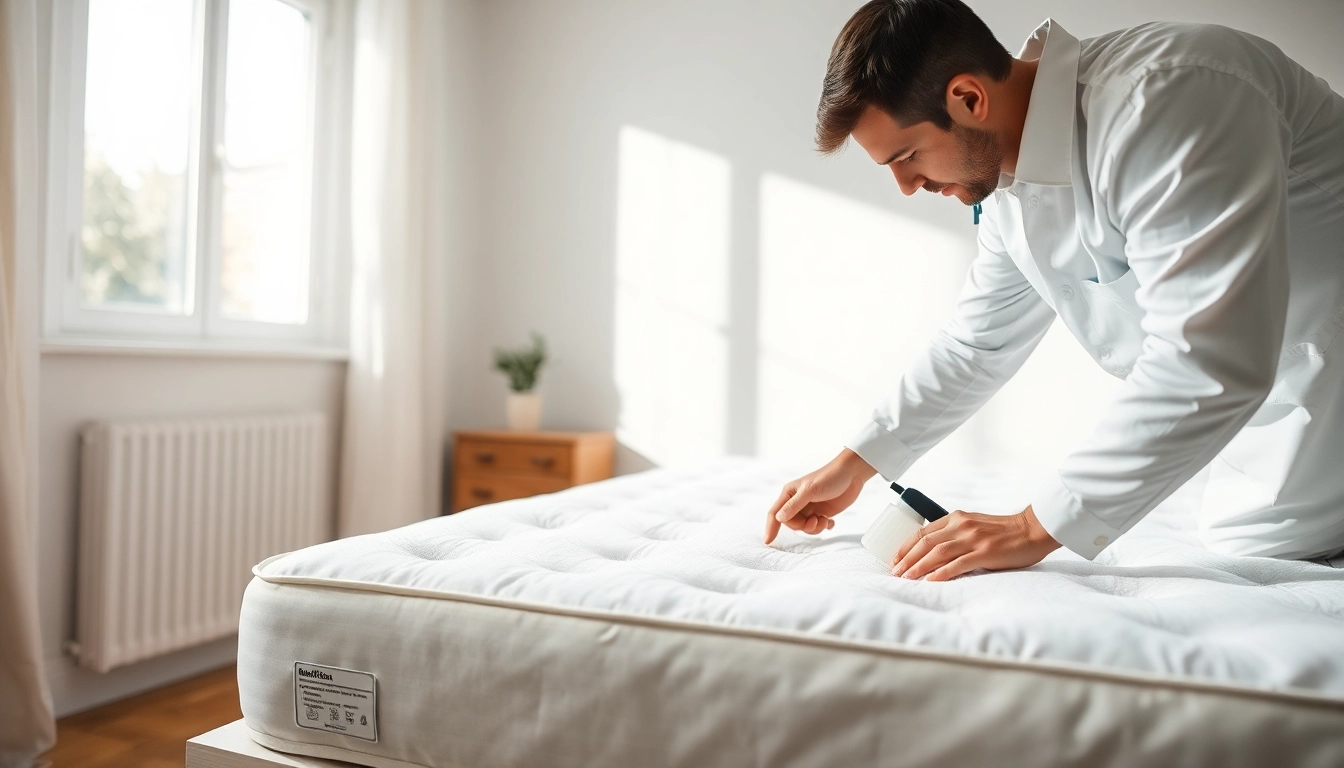
Understanding Bed Bug Chemical Treatment
Bed bugs have become a notorious pest in homes, hotels, and various public places due to their resilience and ability to reproduce quickly. Addressing a bed bug infestation can be daunting for many homeowners. However, effective methods, including bed bug chemical treatment, can help eradicate these unwanted guests. Understanding bed bugs, the options available for chemical treatments, and the steps necessary for successful outcomes are crucial in tackling this widespread issue.
What are Bed Bugs?
Bed bugs, scientifically known as Cimex lectularius, are small, reddish-brown insects that feed on the blood of humans and animals. They can be found in various settings, often hiding in mattress seams, bed frames, and other tight spaces. Adult bed bugs are approximately the size of an apple seed, approximately 5-7 mm long, and are known for their flat, oval bodies, which allow them to hide effectively.
Bed bugs undergo a series of life stages, including eggs, nymphs, and adults. They can live for several months without a blood meal, making them particularly challenging to control once established. Their presence is often signaled by small, itchy bites on the skin, typically found in clusters or lines, which can lead to significant discomfort and anxiety for those affected.
Why Choose Chemical Treatment?
Bed bug chemical treatment is one of the most common methods for addressing these pests due to its effectiveness, speed, and comprehensive coverage. Unlike other methods, such as heat treatment or manual removal, chemical treatments can penetrate hard-to-reach areas where bed bugs typically hide. Moreover, they provide residual protection against future infestations when correctly applied.
Choosing chemical treatment is beneficial for several reasons:
- Effectiveness: Many chemical insecticides are designed specifically for bed bugs and can quickly reduce or eliminate populations.
- Residual Activity: Certain products remain effective for weeks or even months, repelling or killing new infestations.
- Ease of Use: Many chemical treatments are available for both professionals and DIY enthusiasts, allowing for flexibility in how treatment is applied.
- Cost-Effectiveness: Compared to multiple heat treatments, chemical solutions often present a more affordable option.
How Bed Bug Chemical Treatment Works
Chemical treatments work by targeting the nervous system of bed bugs, disrupting their biological functions and ultimately leading to their death. Various active ingredients, including pyrethroids, neonicotinoids, and insect growth regulators, are commonly utilized in commercial products.
The process typically involves the following steps:
- Application: Chemicals can be applied as sprays, dusts, or aerosols in infested areas.
- Penetration: The insecticide penetrates bed bugs’ protective exoskeletons, allowing the active ingredients to take effect.
- Residual Action: Many chemical treatments remain effective beyond the initial application, allowing them to kill newly emerged nymphs and other hidden bed bugs.
Types of Bed Bug Chemical Treatments
Insecticides and Their Categories
Understanding the different types of insecticides can help in selecting the right chemical treatments for bed bug issues. The two primary categories are:
- Contact Insecticides: These are designed to be sprayed directly on bed bugs and surfaces where they are suspected to be hiding. Once the bed bugs come into contact with these products, they will quickly experience effects leading to death.
- Residual Insecticides: These provide ongoing protection as they remain effective for an extended period, killing bed bugs that come into contact with treated surfaces later. Common residual insecticides include pyrethroids and neonicotinoids.
Natural vs. Chemical Treatments
The choice between natural and chemical treatments often comes down to personal preference and the severity of the infestation. Natural treatments may include diatomaceous earth, essential oils, or other organic methods, but typically require more frequent applications and can be less effective against severe infestations. Chemical treatments, on the other hand, offer quicker results and are often necessary for extensive problems.
Some benefits of natural treatments include:
- Lower Toxicity: Natural products are often perceived as safer for pets and children.
- Environmental Considerations: Many prefer natural solutions to reduce chemicals in their home environment.
How to Choose the Right Product
Selecting the right chemical treatment involves considering various factors such as the extent of the infestation, the type of product, and the specific active ingredients. Here are some tips for making an informed choice:
- Active Ingredients: Look for products with proven effectiveness against bed bugs, such as pyrethroids or neonicotinoids.
- Formulation: Decide whether you prefer sprays, powders, or aerosols based on ease of application and the specific areas being treated.
- Residual Efficacy: Choose products that provide residual protection to prevent future infestations.
- User Reviews: Research user experiences and effectiveness ratings to find products that meet your needs.
Preparing for a Bed Bug Chemical Treatment
Initial Steps Before Treatment
Proper preparation is essential to maximize the effectiveness of any bed bug chemical treatment. Detailed initial steps include:
- Identify Infested Areas: Conduct a thorough inspection of mattresses, furniture, carpets, and baseboards to determine the extent of the infestation.
- Isolate Affected Items: Move contaminated items to an isolated area to prevent the pests from spreading further.
- Inform Household Members: Ensure everyone is aware of the upcoming treatment and its importance in eradicating bed bugs.
Cleaning and Decluttering Your Space
Before applying chemical treatments, it’s crucial to clean the space effectively. Consider the following:
- Vacuum Thoroughly: Use a vacuum with a HEPA filter to remove bed bugs and their eggs from infested areas. Seal and dispose of the vacuum bag immediately.
- Launder Fabrics: Wash all bedding, curtains, and clothing in hot water and dry them on high heat to kill any remaining bed bugs and eggs.
- Declutter: Eliminate unnecessary items from the area to reduce places where bed bugs can hide.
What to Expect During Treatment
Understanding what to expect during the treatment process can alleviate anxiety and help in successful execution. Common aspects include:
- Application Duration: Treatment can take from a few hours to a full day, depending on the severity of the infestation.
- Odor and Residue: Be prepared for potential odors; some chemical treatments may leave residues that require careful cleaning afterward.
- Evacuation Time: It may be necessary to vacate the premises for several hours post-application, depending on the chemical used.
Post-Treatment Care and Follow-Up
Monitoring for Residual Bed Bugs
Post-treatment monitoring is critical to ensure the effectiveness of the chemical treatment. Homeowners should:
- Inspect Regularly: Conduct thorough inspections of treated areas for any signs of bed bugs or new bites.
- Set Traps: Consider using adhesive traps to catch any remaining or new bed bugs that might attempt to reinfest the area.
Proper Cleaning After Treatment
After a successful treatment, maintain cleanliness to prevent future infestations. Key cleaning practices include:
- Avoid Immediate Cleaning: Allow a reasonable time frame for the chemicals to take effect before cleaning surfaces.
- Regular Vacuuming: Keep up with vacuuming to remove any potential hidden bed bugs.
When to Schedule a Follow-Up
Following up with additional treatments is vital for maintaining a bed bug-free environment. Consider these guidelines:
- Timing: Schedule a follow-up treatment approximately 2-3 weeks after the initial application, especially for severe infestations.
- Persistent Populations: If bed bugs are still detected, do not delay in contacting a pest control professional for additional intervention.
FAQs About Bed Bug Chemical Treatment
What chemical kills bed bugs permanently?
Chlorfenapyr is one of the few chemicals that can effectively kill bed bugs permanently. It acts as a pro-insecticide and requires activation to disrupt the insect’s cellular functions.
How safe are chemical treatments for my home?
When used according to the manufacturer’s instructions, commercial bed bug chemical treatments are generally safe for residential spaces. It’s important to keep children and pets away during application.
How often should I repeat bed bug chemical treatment?
The frequency of chemical treatments can vary, but typically, homeowners may need 2-4 applications spaced 2-4 weeks apart, depending on the severity of the infestation.
Which areas should I focus on during treatment?
Focus on high-risk areas such as mattresses, box springs, bed frames, furniture crevices, and nearby carpets when applying chemical treatments to ensure comprehensive coverage.
Can I use bed bug chemical treatment as a DIY solution?
Yes, there are various over-the-counter bed bug chemical treatments available for DIY use. However, professional services often ensure more effective and thorough eradication.