

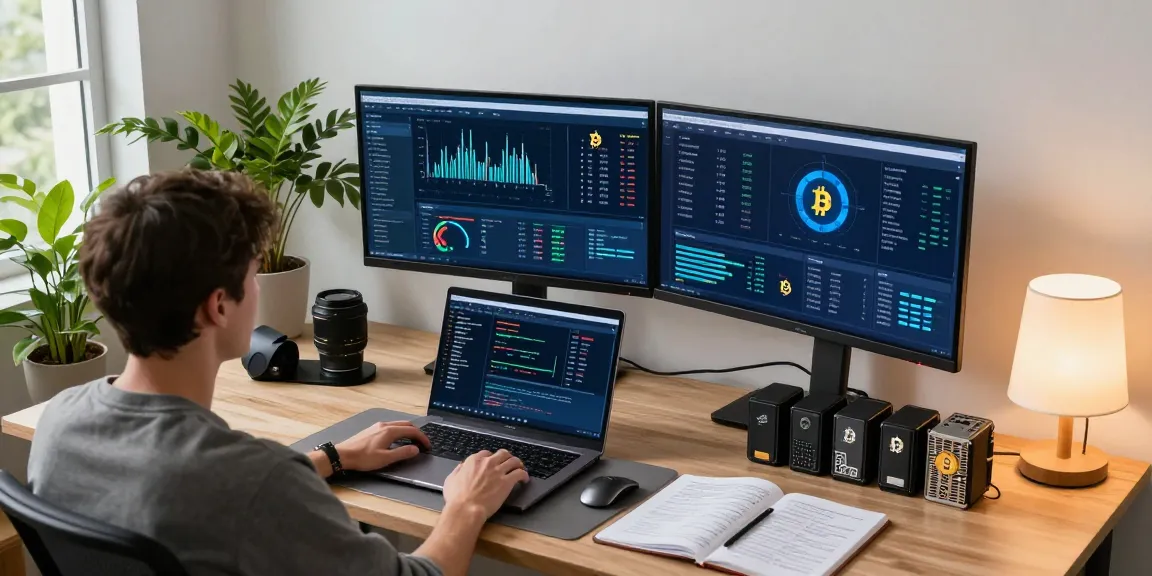
Understanding Bitcoin Mining Fundamentals
The advent of blockchain technology has revolutionized the financial landscape, paving the way for cryptocurrencies like Bitcoin (BTC). As a cornerstone of this innovation, Bitcoin mining serves as a foundational mechanism to ensure the integrity and security of the blockchain ecosystem. Mining not only validates transactions but also generates new bitcoins, creating a decentralized reward system that incentivizes participation. Understanding the technical aspects of cryptocurrency mining offers valuable insights for potential miners and investors alike, especially in the ever-evolving financial technology sector.
What is Bitcoin Mining?
Bitcoin mining is the process by which transactions are verified and added to the public ledger, known as the blockchain. This process involves solving complex cryptographic puzzles through computational power. Miners compete to solve these puzzles, and the first one to succeed gets to add a new block to the blockchain and is rewarded with bitcoins. This reward is not just a financial incentive; it also serves to maintain the decentralized nature of Bitcoin, as no single entity controls the entire network.
The Mining Process Explained
The mining process begins with the gathering of pending transactions broadcast by users. These transactions are assembled into a block. Miners then compete to solve a hash function based on the block’s header, which includes the Merkle root of the transactions, the timestamp, and a nonce value. The resulting hash must meet a specific criteria set by the network, often referred to as the “difficulty target.” Once a miner successfully finds a valid hash, the block is added to the blockchain, and the miner receives a predetermined amount of newly minted Bitcoin as a reward.
Types of Mining: Solo vs. Pool Mining
Miners can choose between solo mining or pool mining. In solo mining, an individual miner works independently to solve puzzles and validate transactions. This method offers the highest rewards but requires substantial computing power and time. In contrast, pool mining allows multiple miners to combine their resources and hash power to increase the probability of solving a block. The rewards are then distributed among the pool members based on the contributed computational power, making it a more accessible option for individuals with limited resources.
Choosing the Best Bitcoin Mining Website
When seeking an effective platform to mine Bitcoin, it is crucial to evaluate various factors to ensure a successful mining experience. Numerous bitcoin mining website offer unique services tailored to different user needs. It is essential to analyze these platforms thoroughly before making any commitments.
Top Features of a Reliable Mining Platform
Key features to consider when choosing a mining platform include user interface, fee structure, payout methods, and the range of cryptocurrencies offered. A user-friendly interface facilitates ease of navigation, while transparent fee structures minimize hidden costs. Additionally, reliable platforms often provide diversified mining options, allowing users to mine various cryptocurrencies beyond Bitcoin.
Security Measures to Look For
Security remains paramount in the cryptocurrency space. A trustworthy mining website should implement robust security measures, such as encryption for data transfer, two-factor authentication (2FA), and cold storage solutions for funds. These strategies enhance the overall safety of users’ assets and personal information.
User Experience and Interface Evaluation
A positive user experience is vital for user retention. Countless mining platforms prioritize aesthetic appeal and intuitive navigation; therefore, prospective users should seek platforms that enable efficient transaction management and clear account monitoring. Features such as mobile apps or desktop clients can significantly enhance usability.
Maximizing Profitability in Bitcoin Mining
While Bitcoin mining can be lucrative, various factors influence its profitability. Understanding these dynamics can help miners optimize their strategies and minimize costs.
Analyzing Mining Difficulty and Rewards
The difficulty of mining adjusts approximately every two weeks based on the total hash power of the network. As more miners join, the mining difficulty increases, impacting individual miners’ chances of earning rewards. Miners should regularly analyze this parameter to adjust their strategies, such as switching to more profitable currencies or optimizing their hardware.
Electricity Costs and Energy Efficiency
Electricity costs are among the most significant factors affecting profitability. Miners must calculate their energy consumption accurately and explore ways to minimize costs, such as utilizing renewable energy sources or choosing efficient mining hardware. Furthermore, understanding energy prices in different regions can help miners select optimal locations for operation.
Tax Implications for Miners in 2026
With increasing regulatory scrutiny, miners must consider potential tax implications associated with earnings. Different jurisdictions impose varying tax obligations on cryptocurrency mining, including capital gains taxes and income taxes. Miners should consult with a qualified financial advisor to ensure compliance, seeking guidance tailored to their specific situation.
Security Best Practices for Bitcoin Miners
The decentralized nature of blockchain technology does not mean that users are exempt from security risks. By adopting proactive security practices, miners can safeguard their assets and personal information.
Protecting Your Digital Wallet
Digital wallets are essential for cryptocurrency storage but require diligent security measures. Implementing strong passwords, enabling 2FA, and regularly updating software can significantly enhance wallet security. Miners should also consider using hardware wallets for optimal protection against hacks and software vulnerabilities.
Common Scams and How to Avoid Them
The crypto landscape is fraught with scams ranging from phishing attacks to Ponzi schemes. Miners must remain vigilant, verifying the authenticity of mining platforms and avoiding offers that seem too good to be true. Utilizing trustworthy resources and conducting due diligence can help mitigate these risks.
Importance of Using Hardware Wallets
For long-term storage, hardware wallets present one of the safest options. These devices store private keys offline, minimizing exposure to potential cyber threats. The investment in hardware wallets, such as Ledger or Trezor, is justified by the level of security they offer for stored assets.
Future Trends in Bitcoin Mining
The landscape of Bitcoin mining continues to undergo rapid changes driven by technology and regulation. Staying current with these developments is vital for miners aiming to leverage future opportunities.
Impact of Regulation on Mining Operations
As regulatory frameworks evolve, they can significantly affect mining operations. Increased scrutiny from government entities may necessitate compliance with local and international regulations, influencing everything from energy use to taxation. Miners should remain informed about changes to regulations to adapt their operations accordingly.
Innovations in Mining Technology and Equipment
Advancements in mining technology, such as ASIC miners that offer enhanced efficiency, play a crucial role in profitability. Additionally, innovations in cooling techniques and energy sourcing are becoming increasingly important for sustainability within the mining sector. Miners have to always be on the lookout for the latest technology to maintain a competitive edge.
Environmental Considerations and Sustainability
With heightened awareness of environmental issues, miners face growing pressure to adopt sustainable practices. Utilizing renewable energy sources or implementing energy-efficient systems can help mitigate the environmental impact. As regulatory bodies increase monitoring of carbon footprints, miners must prioritize eco-friendly solutions.
What Challenges Will Miners Face in 2026?
Looking ahead, miners may confront various challenges, including fluctuating Bitcoin prices, evolving technical standards, and global energy cost variations. Preparing for potential market shifts and adapting to emerging technologies will be essential for long-term sustainability.
FAQs: Frequently Asked Questions About Bitcoin Mining
What are the best platforms for Bitcoin mining?
Several reputable platforms cater to Bitcoin mining enthusiasts, offering features that meet varying needs and experiences. Readily available resources can guide users in selecting the most suitable platform.
Is bitcoin mining still profitable in 2026?
Profitability hinges on multiple factors, including operational costs, market price, and mining difficulty. Continuous analysis of these parameters is crucial for miners.
How do I choose a reliable mining pool?
Selecting a dependable mining pool involves assessing the pool’s reputation, fee structure, payout methodologies, and user reviews. A careful examination of these criteria can lead to successful pool mining.
What are the risks associated with bitcoin mining?
Risks include volatile market conditions, regulatory changes, high operational costs, and potential blockchain attacks. Miners must proactively manage these risks through diligent research and financial planning.
Can I mine bitcoin using my home computer?
While technically feasible, mining Bitcoin on a home computer is generally not profitable due to increased competition from dedicated mining hardware. Prospective miners should evaluate hardware requirements and consider joining mining pools for better chances of success.
