

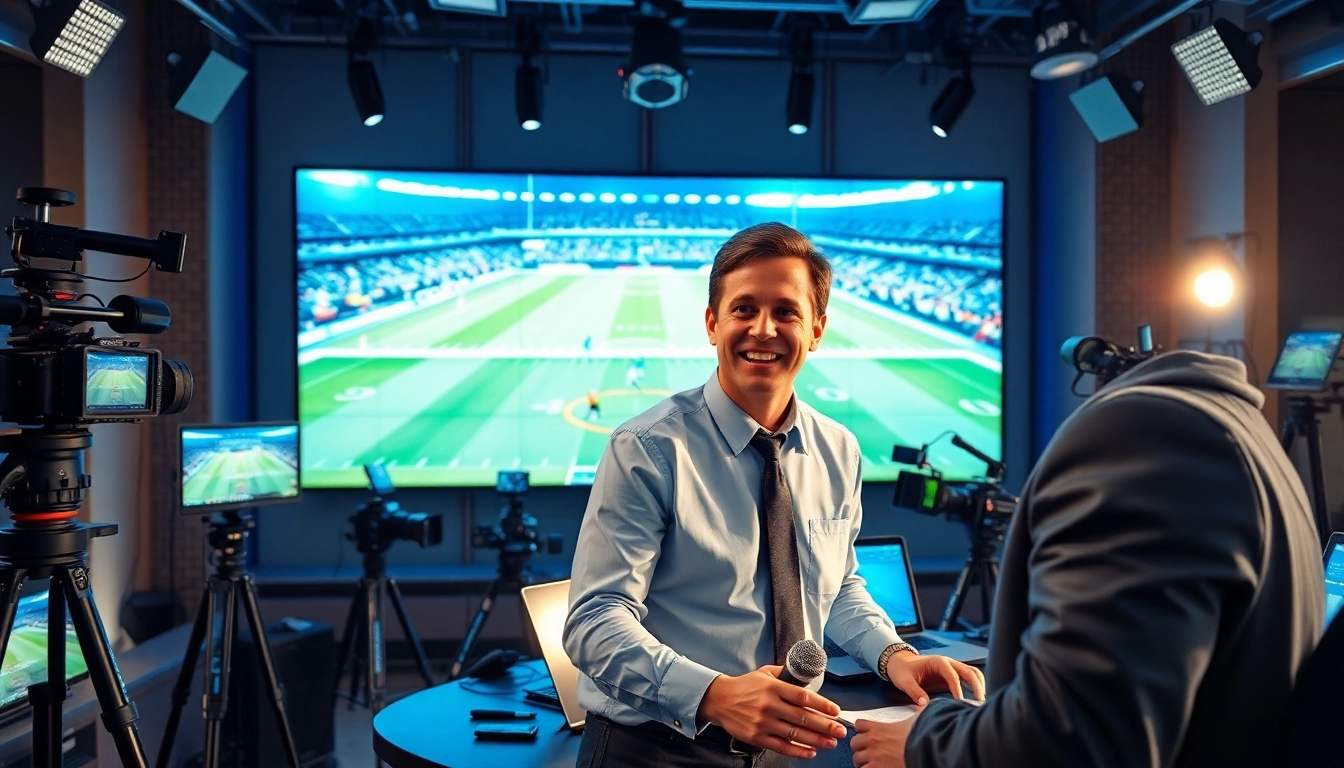
Understanding Sports Broadcasting
What is Sports Broadcasting?
Sports broadcasting refers to the dissemination of live sports events or sports-related content via various mediums, including television, radio, and digital platforms. It encompasses a range of activities, from play-by-play commentary to in-depth analysis and discussion of games, utilizing expert insights and fan interactions. The role of sports broadcasters extends beyond merely announcing the scoring; they enrich the viewing experience with narratives, statistics, and emotional engagements that connect the audience to the game. With the rapid evolution of technology and new platforms, Sports Broadcasting has become more accessible than ever, catering to a global audience eager for real-time information and entertainment.
The Importance of Sports Broadcasting
Sports broadcasting holds significant cultural and economic importance across the globe. It acts as a bridge between athletes and their fans, creating a sense of community and shared experience among viewers. In terms of economic impact, sports broadcasting generates billions in revenue through advertising, sponsorships, and broadcasting rights, contributing to the sustainability of various sports leagues and teams. This symbiotic relationship ensures that fans remain engaged while providing valuable exposure to sponsors. Additionally, sports broadcasting serves as a vehicle for storytelling, highlighting the human aspects of sports such as perseverance, teamwork, and triumph, which resonate deeply with diverse audiences.
Key Components of Sports Broadcasting
The essential components of sports broadcasting include:
- Live Commentary: Providing real-time updates and insights during games to enhance viewer engagement.
- Analysis and Pre/Post-game Coverage: Offering expert opinions and breakdowns before and after events, preparing fans with context and deeper knowledge.
- Graphics and Visuals: Utilizing on-screen statistics, replays, and graphics to illustrate key points and enhance storytelling.
- Interviews and Features: Showcasing player interviews, behind-the-scenes content, and narrative segments that bring more color and context to the sporting events.
Technology in Sports Broadcasting
Essential Equipment for Sports Broadcasting
The backbone of effective sports broadcasting is high-quality equipment that ensures seamless transmission and an engaging viewer experience. Essential equipment includes:
- Cameras: Multiple camera angles capture different perspectives of the action, including close-ups of players and wide shots of the entire field or arena.
- Microphones: High-quality microphones are crucial for capturing clear audio, both in-game sounds and commentary. Wireless lavalier mics for interviews enhance mobility.
- Video Switchers: These tools manage multiple video feeds simultaneously, allowing for smooth transitions between different camera angles and replays.
- Stream Encoders: Used for converting video into a digital format suitable for streaming over the internet, ensuring high-quality playback on various devices.
Emerging Technologies in Sports Broadcasting
New technologies are continually reshaping the landscape of sports broadcasting, enhancing the viewer experience. Some notable advancements include:
- Virtual Reality (VR): Certifying fans can experience games from virtually any angle, creating a more immersive experience that traditional broadcasts cannot match.
- Augmented Reality (AR): Integrating real-world environments with digital graphics in live broadcasts to provide viewers with real-time stats and insights.
- Drone Cameras: Offering unique aerial views of events, this technology adds dynamic perspectives that are not possible with standard camera setups.
- Enhanced Analytics: Utilizing data analytics for providing deeper insights and statistics that enhance the narrative of sports events for avid fans.
Broadcasting Software and Tools
Professional-grade broadcasting is further supported by sophisticated software and tools. These include:
- Production Software: Programs like OBS Studio/Streamlabs for encoding and streaming live feeds with various overlays and graphics.
- Post-Production Software: Editing tools like Adobe Premiere Pro for polishing replays and highlight packages post-event.
- Statistical Analysis Tools: Software designed to aggregate and analyze sports statistics for in-depth reporting and storytelling.
Content Creation for Sports Broadcasting
Storytelling in Sports Broadcasting
Effective storytelling is the essence of captivating sports broadcasts. Broadcasters weave narratives that transform stat-heavy segments into compelling stories about teams, players, and critical moments during games. Engaging storytelling involves contextualizing events, highlighting player rivalries, and emphasizing emotional triumphs and defeats. Broadcasters also utilize historical perspective to relate the current action to the legacy of the sport or particular players. This human element adds depth to the broadcast and keeps viewers emotionally invested.
Engaging Your Audience
To maintain viewer interest, broadcasters must employ strategies to keep audiences engaged. These strategies include:
- Live Polls and Q&A: Implementing interactive elements during broadcasts, such as allowing viewers to vote on game predictions or ask questions live.
- Social Media Integration: Utilizing platforms like Twitter and Instagram for real-time audience reactions, encouraging community engagement alongside broadcasts.
- Customized Content: Creating tailored segments addressing viewer interests, including fan zones, player highlights, and expert analyst views that resonate with the audience’s preferences.
Utilizing Graphics and Stats in Broadcasts
The integration of graphics and statistics is paramount in enhancing the viewing experience during sports broadcasts. Effective use of graphics can clarify complex plays, provide critical statistics, and visualize comparisons that educate viewers. The graphical design should be not only appealing but also easy to read, ensuring that important information does not overwhelm the audience. Interactive graphics that update in real-time during games can significantly enhance viewer engagement, making broadcasts dynamic and informative.
Challenges in Sports Broadcasting
Addressing Technical Difficulties
Live sports broadcasting comes with its share of challenges, particularly technical difficulties. Issues can range from equipment malfunction to connectivity problems. To address these, broadcasters implement thorough pre-broadcast checks, ensuring all equipment is functioning optimally. Additionally, having backup systems and contingency plans is critical. This could include alternative internet sources or equipment redundancy to ensure a seamless viewing experience, even in the face of unforeseen issues.
Maintaining Audience Engagement
As many alternatives for entertainment exist, keeping audiences engaged is a formidable challenge in sports broadcasting. Continuous audience engagement strategies, such as improving the online interaction experience, through live chats or social media involvement, can foster faster emotional connections while watching broadcasts. Tailoring content to various demographics ensures that all pockets of interest within the fanbase are addressed, driving up viewership.
Navigating Regulatory Compliance
In the realm of Sports Broadcasting, navigating regulations and compliance is essential. Various licensing rights, copyright laws, and broadcast standards govern what can be aired and how it can be shared. Broadcasters must be aware of these regulations to avoid penalties or loss of broadcasting rights. Moreover, maintaining compliance with advertising standards ensures transparency and ethical practices, further securing trust and loyalty among viewers.
Future Trends in Sports Broadcasting
The Role of Streaming Platforms
The surge in popularity of streaming platforms is transforming how audiences consume sports. With mobile technologies allowing viewers to watch games on-the-go, traditional broadcasting faces challenges from digital-first broadcasters. This trend has led to the increase of individual sports leagues creating their own streaming services, providing direct access to fans. The convenience of streaming supports personalized viewing experiences, where users can choose what content to watch and when to view it, significantly altering the landscape of sports consumption.
Personalization in Sports Viewing
Personalization is becoming increasingly important in sports broadcasting, as audiences seek tailored experiences. Utilizing data analytics allows broadcasters to gather insights on viewer preferences, enabling them to create customized content. Enhanced personalization can include targeted advertisements, preferred camera angles, or specific commentary styles that resonate with individual fans. This shift towards personalization fosters deeper connections between broadcasters and audiences, catering to their likes and engagement preferences.
Predicting the Future of Sports Broadcasting
As technology continues to evolve, the future of sports broadcasting promises to be rich with opportunities. Anticipated trends include further advancements in 5G technology, augmented reality experiences, and increased opportunities for user-generated content. The integration of data analytics will deepen engagement levels, allowing fans to dictate how they experience games interactively. Overall, the collaboration of innovative technologies and customer-focused approaches will redefine the viewing experience in the years to come.
FAQs
What is the primary role of a sports broadcaster?
A sports broadcaster’s main role is to provide commentary, analysis, and updates during live sports events, engaging the audience through storytelling.
How does technology impact sports broadcasting?
Technology enhances the quality of broadcasts through improved cameras, sound equipment, and software, making for a more engaging viewing experience.
What skills are important for a sports broadcaster?
Key skills include excellent communication, deep sports knowledge, quick thinking, and the ability to engage an audience while speaking live.
How do broadcasters handle live streaming challenges?
Broadcasters must have contingency plans, including backup equipment and protocols for unexpected technical issues during live streams.
What trends are shaping the future of sports broadcasting?
Trends include increased use of augmented and virtual reality, personalization of content, and the rise of streaming platforms reshaping how audiences consume sports.