

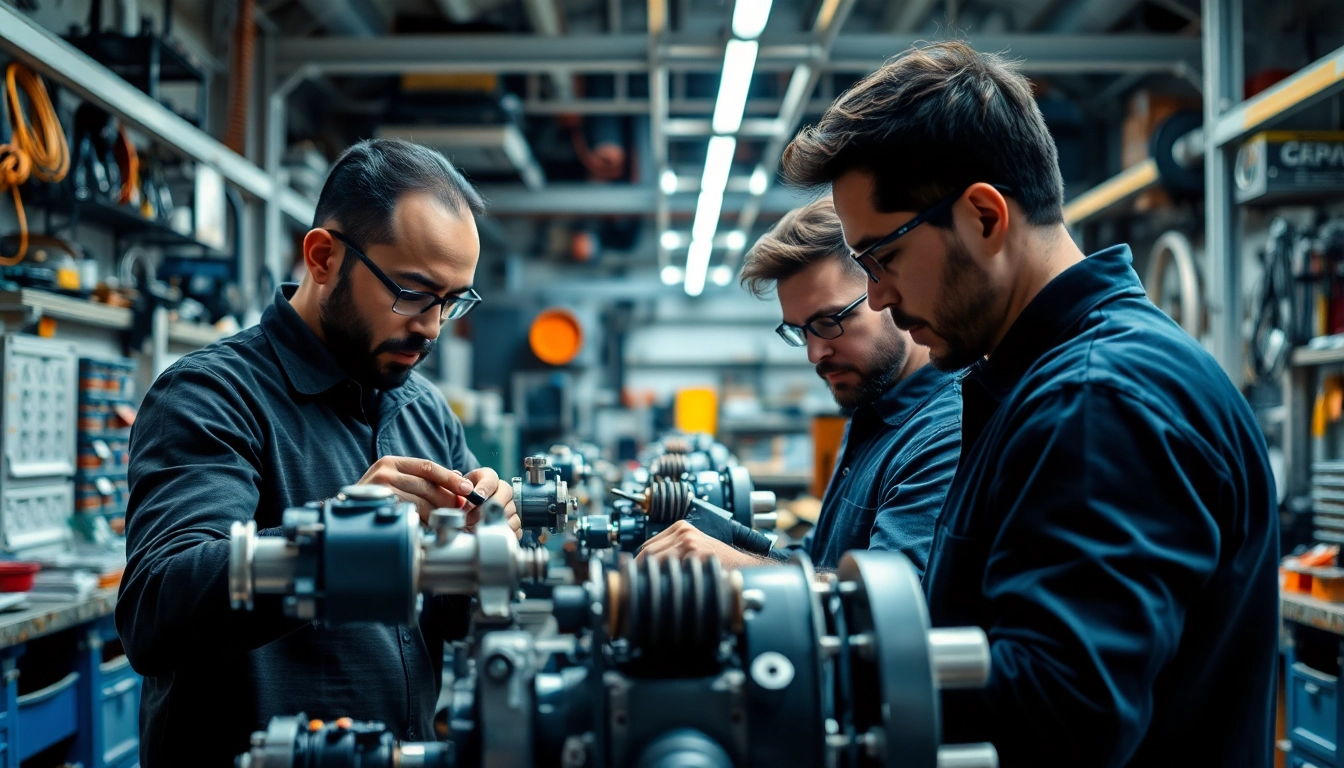
Understanding Custom Hydraulic Equipment
What is Custom Hydraulic Equipment?
Custom hydraulic equipment refers to specialized machinery and tools designed specifically to meet the unique requirements of various applications in industries ranging from construction to aerospace. Unlike standard hydraulic systems, custom designs enable organizations to achieve tailored performance, enhance efficiency, and optimize operational workflows. The crucial aspect of custom hydraulic equipment is its ability to integrate seamlessly into existing systems while addressing specific challenges. Equipment such as hydraulic cylinders, pumps, and control systems can be customized not only in terms of size and capacity but also for functionality that meets particular industry standards.
Applications of Custom Hydraulic Equipment
Custom hydraulic equipment finds applications in a variety of fields, each requiring specialized adaptations. For instance:
- Manufacturing: Hydraulic presses and clamps are designed for assembling components in automotive or aerospace manufacturing, where precision is critical.
- Construction: Equipment such as excavators or cranes benefit from customized hydraulic systems that provide the necessary power and control for heavy lifting tasks.
- Aerospace: Custom hydraulic systems help in actuating wing flaps, landing gear, and other essential flight components requiring high reliability.
- Marine: Shipbuilders use custom hydraulics for steering systems and stabilizers, ensuring vessels can perform effectively in rough sea conditions.
Benefits of Custom Hydraulic Equipment
Investing in custom hydraulic equipment yields numerous benefits:
- Enhanced Performance: Tailored systems can operate more efficiently compared to standard options, leading to improved productivity.
- Increased Longevity: Custom designs are engineered with specific materials and techniques to withstand unique operational conditions, extending equipment lifespan.
- Cost Efficiency: Although the initial investment may be higher, the long-term savings through reduced downtime and maintenance costs can be significant.
- Improved Safety: Custom hydraulic systems can incorporate safety fail-safes and ergonomic designs that adhere to safety regulations more effectively than off-the-shelf solutions.
Design and Manufacturing Process
Initial Design Considerations
The design process of custom hydraulic equipment begins with understanding the specific needs of the client. Key initial considerations include:
- Application Requirements: Understanding the operational environment helps determine the parameters needed in terms of pressure, flow rate, and size.
- Regulatory Standards: Compliance with national and international standards is essential, especially in sectors like aerospace and medicine.
- Integration with Existing Systems: The new equipment must work seamlessly with current machinery or software infrastructures.
Material Selection for Custom Hydraulic Equipment
Material selection is vital in crafting durable and reliable hydraulic equipment. Factors influencing this choice include:
- Strength and Durability: Materials such as high-strength steel or titanium are often selected for their mechanical properties.
- Corrosion Resistance: Depending on the environment, materials may need protective coatings or be made from stainless steel to withstand corrosive conditions.
- Weight Considerations: In industries like aerospace, lightweight materials (like aluminum composites) can enhance performance while reducing energy consumption.
Prototyping and Testing
The creation of prototypes is crucial before final production. This stage involves:
- 3D Modeling: Advanced CAD software is used to create digital representations of the system, allowing for virtual testing and modification.
- Physical Prototyping: Engineers build prototypes to evaluate functionality, performance, and adherence to specifications under real-world conditions.
- Testing Protocols: Rigorous testing, including pressure tests, thermal analysis, and durability evaluations, ensures that the equipment meets specific operational demands.
Common Challenges in Custom Hydraulic Projects
Meeting Client Specifications
One of the key challenges is accurately capturing and meeting the client’s expectations. This can be overcome through:
- Detailed Consultations: Engaging in extensive discussions to clarify needs and specifications can minimize misunderstandings.
- Feedback Loops: Establishing a process for ongoing feedback during the design and testing phases helps ensure alignment with expectations.
Managing Project Timelines
Complex designs can lead to project delays. Effective management can involve:
- Clear Milestones: Setting specific deadlines and deliverables for every phase of the project can help track progress.
- Resource Allocation: Ensuring that requisite manpower and materials are available can mitigate delays during the development phase.
Quality Assurance Practices
Quality assurance is critical in ensuring that the final product meets required standards and specifications. Best practices include:
- Regular Inspections: Implementing quality checks at various phases of production reduces the risk of defects.
- Certifications: Adhering to recognized quality certifications (such as ISO 9001) can bolster confidence in product quality.
Best Practices for Selecting a Manufacturer
Identifying Reputable Suppliers
Selecting the right manufacturer for custom hydraulic equipment is paramount. Considerations include:
- Experience and Expertise: Look for manufacturers with a proven track record in producing hydraulic systems similar to your requirements.
- Customer Reviews: Online testimonials and case studies help gauge reliability and customer service performance.
Evaluating Technology and Equipment Used
A manufacturer’s technology plays a crucial role in the quality and efficiency of the equipment produced. Assessment should include:
- Machinery Capability: Investigate whether the manufacturer uses modern, computerized machinery that can handle precise specifications.
- Software Tools: Ensure that the company employs advanced design and analysis software for optimal results.
Importance of Customer Support
Effective customer support can significantly influence the success of a project. Look for providers that demonstrate:
- Technical Assistance: Reliable support during and after the installation phase is crucial for operational continuity.
- Training and Documentation: Comprehensive training sessions and detailed user manuals can help clients manage the equipment efficiently.
The Future of Custom Hydraulic Solutions
Emerging Trends in Custom Hydraulic Equipment
The future of custom hydraulic equipment is shaped by various emerging trends:
- Smart Hydraulics: The integration of IoT technology allows for real-time monitoring and enhanced system efficiencies.
- Automated Systems: Increased automation in hydraulic processes improves precision while reducing human error.
Innovations in Manufacturing Techniques
Revolutionary manufacturing methods such as additive manufacturing and CNC automation are transforming how custom hydraulic components are made. These innovations allow for:
- Rapid Prototyping: Quicker iterations enable manufacturers to respond faster to client feedback, streamlining production times.
- Cost-Effective Production: Advanced techniques can significantly reduce material waste, making production more sustainable and economical.
Sustainability in Hydraulic Equipment Design
Sustainability has become a priority as industries increasingly recognize their environmental responsibility. Custom hydraulic equipment can be designed to be environmentally friendly through:
- Energy Efficiency: Systems that optimize hydraulic flow can reduce energy consumption and associated costs.
- Recyclable Materials: Using materials that can be easily recycled contributes to reducing overall industrial waste.
Frequently Asked Questions (FAQs)
1. What is custom hydraulic equipment?
Custom hydraulic equipment refers to specially designed hydraulic systems or components tailored to meet unique operational needs in various industries.
2. What are the benefits of using custom hydraulic equipment?
Benefits include enhanced performance, increased longevity, cost efficiency, and improved safety, tailored to specific operational requirements.
3. How is custom hydraulic equipment manufactured?
Manufacturing involves design considerations, material selection, prototyping, and rigorous testing to ensure optimal functionality and compliance.
4. Why choose custom hydraulic equipment over off-the-shelf solutions?
Custom hydraulic equipment offers a tailored fit for specific applications, improving efficiency and addressing unique operational challenges effectively.
5. What should I look for in a custom hydraulic equipment manufacturer?
Look for experience, technology capabilities, customer support, and a proven track record of delivering high-quality hydraulic solutions.
Contact Information
Call Us: 1 780-452-2876
Email: [email protected]
Address: 13111 159 St NW, Edmonton, AB, Canada, T5V 1H6