

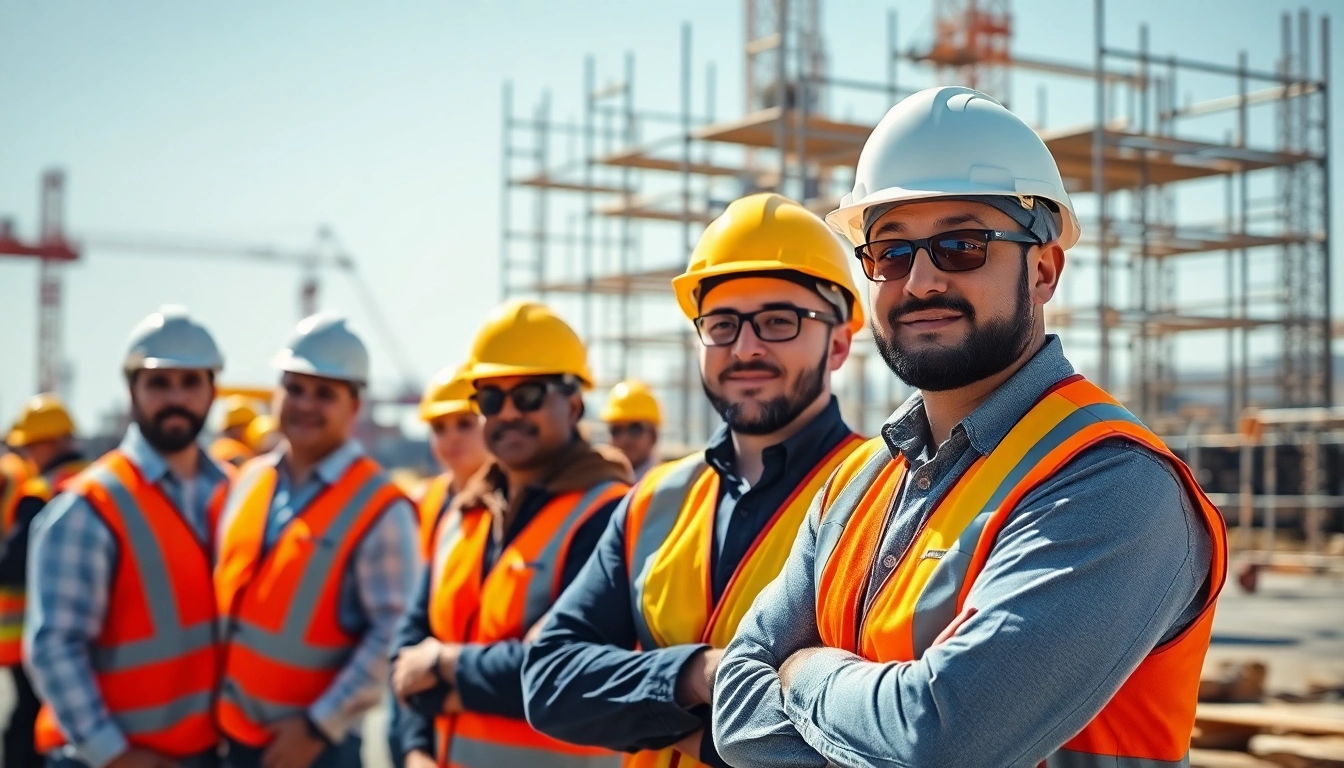
Understanding Construction Site Safety
Construction site safety is a critical aspect of the building and renovation processes. Every year, numerous accidents occur on construction sites, often resulting in severe injuries or fatalities. As such, implementing comprehensive safety protocols is not just a requirement but a moral obligation to ensure the welfare of all workers involved. This article delves into the multifaceted world of construction site safety, emphasizing the significance of preventive measures and the strategies needed to foster a safe working environment.
The Importance of Safety Protocols
The foundation of any successful construction project rests on rigorous safety protocols. Safety measures not only protect workers but also safeguard the overall integrity of the project. By adhering to established safety protocols, construction firms can reduce the likelihood of accidents, which in turn minimizes project delays and financial losses. Furthermore, a solid safety record can enhance a company’s reputation, leading to more business opportunities.
Common Hazards on Construction Sites
Construction sites are fraught with a variety of hazards that can pose serious risks to workers. These include:
- Falls: One of the leading causes of injury in construction, falls can occur from heights or due to slippery surfaces.
- Electrical Risks: Live wires, overloaded circuits, and improper grounding can lead to electrocution.
- Struck-by Incidents: Workers can be injured by falling tools, machinery, or materials.
- Caught-in/between Risks: Workers can become trapped between machinery, materials, or structures.
- Respiratory Hazards: Dust, chemicals, and other airborne substances can lead to long-term health issues.
Recognizing these hazards allows employers to implement targeted safety measures to mitigate risks.
Key Legislation and Regulations
Numerous regulations dictate safety standards for construction sites. Among the most significant are:
- Occupational Safety and Health Administration (OSHA): OSHA sets and enforces workplace safety standards across the United States, emphasizing the need for a safe working environment.
- National Fire Protection Association (NFPA): Pertains to fire safety regulations in construction, ensuring safe practices when dealing with flammable materials.
- Local Building Codes: Each locality may have specific building codes that ensure safety and compliance within their jurisdiction.
Staying updated with these regulations is crucial for both employers and workers to ensure compliance and safety on-site.
Building a Safety Culture
Creating a robust safety culture on construction sites transcends mere compliance with regulations. Establishing an environment where safety is prioritized significantly enhances worker wellbeing and operational efficiency.
Leadership’s Role in Promoting Safety
Leaders play a pivotal role in cultivating a safety-first culture. They must lead by example, demonstrating safe practices and actively engaging in safety discussions. By providing consistent support for safety initiatives, leaders can motivate employees to prioritize their safety and that of their colleagues.
Engaging Workers in Safety Practices
Involving workers in safety practices not only boosts morale but also enhances the effectiveness of safety protocols. Workers should be encouraged to share their insights and experiences, which can lead to identifying previously overlooked hazards. This collaborative approach makes safety a shared responsibility and fosters a strong sense of community and trust among the workforce.
Effective Communication Strategies
Clear communication is vital in executing safety protocols effectively. Regular safety meetings, briefings, and open forums for discussions can help disseminate information regarding safety practices and any updates related to new hazards. Additionally, using visual aids and tools like safety signs and labels can reinforce safety messages across the construction site.
Implementing Safety Training Programs
Safety training programs are essential in equipping workers with the knowledge and skills necessary to mitigate risks effectively. These programs should be both comprehensive and tailored to the specific needs of the workforce.
Types of Safety Training Available
Various types of safety training can be implemented, including:
- General Safety Orientation: An introduction to best safety practices and site-specific protocols.
- Hands-on Training: Practical training that allows workers to practice using safety equipment and tools in a controlled environment.
- Emergency Response Training: Prepares workers to respond swiftly and effectively to emergencies.
Effective training programs should cater to the varying levels of experience among workers.
Creating Customized Training Sessions
One-size-fits-all training programs often fall short when dealing with the unique challenges of different construction sites. Customized training sessions that consider specific tasks, equipment, and site conditions can enhance knowledge retention and application. Engaging workers in the development of these programs can yield valuable insights into the training’s content and delivery methods.
Measuring Training Effectiveness
To ensure that safety training programs are effective, it is critical to measure their impact through:
- Surveys and Feedback: Regularly gather feedback from trainees to assess their understanding and application of the training content.
- Observational Assessments: Monitor workers on the job to ensure they apply learned safety practices.
- Incident Tracking: Review incident reports to determine if training has contributed to a reduction in accidents.
These metrics assist in refining future training initiatives and maintaining high safety standards.
Utilizing Safety Equipment and Technology
Advancements in safety equipment and technology have significantly improved safety standards on construction sites. Utilizing these innovations is essential for reducing accidents and injuries.
Must-have Safety Gear for Workers
Personal protective equipment (PPE) is crucial for worker safety. Essential safety gear includes:
- Hard Hats: Protects against head injuries from falling or flying objects.
- High-visibility Vests: Ensures workers are easily identifiable, especially near moving vehicles.
- Safety Goggles: Shields eyes from dust, debris, and harmful substances.
- Steel-Toed Boots: Protects feet from heavy objects and provides traction.
- Hearing Protection: Essential in environments with loud noise levels to prevent hearing loss.
Employers should conduct regular assessments to ensure that workers wear appropriate gear pertinent to specific tasks.
Innovative Safety Technologies
The integration of technology into construction site safety is revolutionizing how hazards are managed. Innovations such as:
- Wearable Technology: Devices that monitor workers’ health and environmental conditions can alert them to dangers in real-time.
- Drones: Used for site inspections, drones can access hard-to-reach areas, reducing the risk of falls.
- Construction Management Software: Helps streamline communication and documentation regarding safety practices and incidents.
Adopting these technologies facilitates proactive safety measures, making construction sites significantly safer.
Regular Inspection and Maintenance
Ensuring that equipment and safety gear are regularly inspected and maintained is vital for preventing accidents. Establishing a routine schedule for checking machinery, tools, and safety equipment helps catch potential issues before they result in injuries. Documenting these inspections is equally important, as it provides insights into the safety culture and highlights areas requiring improvement.
Evaluating and Improving Safety Performance
To develop a thriving safety culture, continuous evaluation of safety performance is essential. Companies must move beyond basic compliance and strive for excellence in construction site safety.
Identifying Key Performance Indicators
Key performance indicators (KPIs) play a crucial role in measuring safety performance. Common KPIs include:
- Incident Rate: Measures the number of incidents per hours worked.
- Near Misses: Tracks events that could have resulted in injury but didn’t.
- Worker Participation: Assesses employee involvement in safety programs and training.
By monitoring these indicators, companies can identify trends and develop targeted strategies for improvement.
Conducting Regular Safety Audits
Safety audits are integral to evaluating the effectiveness of safety protocols and processes. Regular audits help uncover vulnerabilities and facilitate the development of corrective actions to mitigate risks. Involving employees in the auditing process can foster engagement and a sense of ownership over safety practices.
Continuous Improvement Strategies
The construction industry is ever-evolving, which requires a commitment to continuous improvement of safety practices. Strategies for this include:
- Feedback Systems: Actively solicit and incorporate feedback from workers to refine safety protocols.
- Benchmarking: Compare safety performance against industry standards to identify areas for advancement.
- Professional Development: Invest in ongoing training and educational opportunities for workers and leaders alike.
By relentlessly pursuing improvement, organizations can cultivate an industry-leading culture of safety.
FAQs About Construction Site Safety
What is the primary goal of construction site safety?
The primary goal is to protect workers from hazards, ensuring their safety and health while performing tasks on-site.
How often should safety training be conducted?
Safety training should be conducted regularly, typically annually, and whenever there are changes in equipment, procedures, or regulations.
What should be included in a safety audit?
A safety audit should include site inspections, review of safety procedures, employee feedback, and incident history analysis.
How can technology improve construction site safety?
Technology enhances safety through real-time monitoring, efficient communication, and improved training methods, leading to a more proactive safety approach.
Why is safety culture important in construction?
A strong safety culture encourages workers to prioritize safety, leading to fewer accidents, improved morale, and increased productivity.